

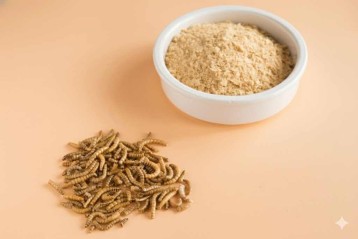
When we talk about the fitness industry, the use of protein powder is very common. From a normal person in the gym to athletes and fitness enthusiasts, everyone uses protein powder to fulfill the need for daily protein in the body. Given the high demand for protein powder, many manufacturers have introduced some surprising options, one of which is protein derived from worms. The worm-based protein powder has gained significant attention in recent years.
Many people are searching for answers to questions like, “Is protein powder made from worms” and “Are all protein sources included in the label?” Well, not all the protein powder is made from worms; a specific variety of protein powder is made from worms, and it’s always mentioned in the label.
In this article we will explore what worm-based protein powder is and how it is made, its nutritional benefits, and its side effects. People who should avoid using it. The Environmental Impact of Insect-Based Protein Powder. Safety and Taste Considerations and Tips for Incorporating Worm Protein into Your Diet So by the end of this guide, you will be very clear about the topic of protein powder made from worms and whether you should include it in your daily diet or not.
Traditional Protein: What You Need to Know
Before diving into the main topic, is protein powder made from worms? Let’s first find out the traditional protein sources most people have used for many years. Protein is an important nutrient for the body that helps in building and repairing muscles and supports overall immune function. It also keeps your body energetic throughout intense workouts. The traditional protein powder comes in many varieties, such as animal-based, plant-based, and supplements.
Animal-Based Proteins
Foods that are rich in protein include chicken, beef, eggs, and dairy products, which provide essential amino acids to the body. Whey protein powder is mainly derived from milk. It is considered a popular product, especially among athletes and fitness enthusiasts.
Plant-Based Proteins
Protein can also be found in plant-based food items like lentils, tofu, nuts, and seeds, which provide protein to those who follow vegetarian or vegan diets. The protein that comes from plants is lower in amino acids; however, combining that protein with other sources can provide a complete protein profile.
Protein Supplements
Powdered forms of protein like whey, casein, soy, or pea protein are easy to use and consume by people who especially have busy schedules.
Understanding these traditional sources of protein sets the stage for exploring innovative alternatives such as protein powder made from worms. While this may seem unconventional, it represents a growing trend in sustainable nutrition and fulfills the need for protein in the world.
Is Protein Powder made from Worms?
Yes, without a doubt! It is possible to convert insects like mealworms & crickets into protein powder. However, it’s critical to clarify this misunderstanding: these bugs are not worms at all.
Mealworms and crickets are not the same as real worms; they belong to distinct insect species, Orthoptera and Coleoptera. On the other hand, protein derived from insects is now frequently referred to as “worm protein” informally.
What Is Worm-Based Protein Powder?
Worms, typically mealworms, which are beetle larvae, are used to make worm protein powder. The worms you discover in the garden are not like this. Mealworms are cultivated in various nations. It is considered a rich source of protein.
Protein powder that is made from worms is first processed, then dried, and then ground into a fine powder. People add it in smoothies, baked goods, and protein shakes, the same as they use whey, pea, or soy protein.
Nutritional Value of Worm-Based Protein Powders
Protein powder based on worms isn’t only sustainable and a good alternative for the environment but also has an impressive nutritional profile. Plant-based protein powders are lower in amino acids, whereas worm protein contains all nine essential amino acids that the body cannot produce on its own. This makes them a better choice among other protein powders, and they’re also comparable to other high-protein-based sources like eggs, milk, or meat.
High Protein Content: Worm protein powder is considered a high source of protein, as it includes 50–65% protein by weight. Best for the people who are looking for a high protein source for muscle repair, recovery, and overall health.
Essential Amino Acids: Worm-based protein powder includes amino acids such as lysine, leucine, isoleucine, and valine in a good amount, which is important for muscle growth and metabolic functions.
Rich in Micronutrients: Worm protein powder also includes minerals like iron, zinc, magnesium, and vitamin B12. All these micronutrients are limited in plant-based protein powder.
Healthy Fats: It also contains beneficial polyunsaturated fatty acids (PUFAs) that help in supporting overall heart and brain health.
Low Carbohydrate Content: Worm protein powders are naturally low in carbs, which makes them a good choice for those who follow strict diets like low-carb or ketogenic.
How is Protein Powder made from Worms
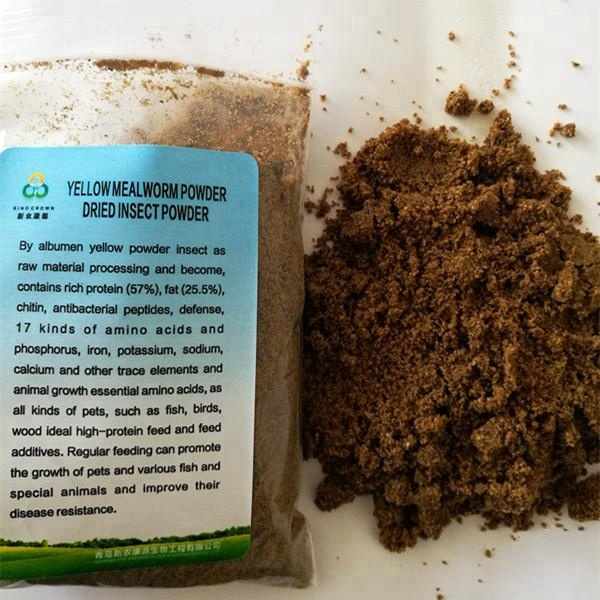
Now the main question you have in mind: how is protein powder made from worms? Well, this insect-based protein powder goes through many processes.
Worm Farming: The worms used in this protein powder are not common worms you find in different places. The manufacturers do worm farming, like mealworms or other edible worms are grown in controlled, hygienic environments, fed organic diets, and monitored for health and quality.
Cleaning and drying: Once the worms mature, they are collected, cleaned to remove any contaminants, and then shifted to a drying process where the manufacturers use low-heat drying methods to preserve nutrients.
Grinding: After the worms get dried, they properly get ground into fine, uniform powder to make it usable in shakes, bars, baked goods, or other protein-rich foods.
Additional Refine Process: Some companies also go for more refinement processes in which they remove fats or enhance flavor, making the powder more neutral and easy to add to any recipe.
Testing: The last thing that happens is testing the protein powder on quality and nutritional content before reaching the market.
The final result is a high-protein, nutrient-dense powder that is not only sustainable and environmentally friendly but also provides a complete protein, including all essential amino acids, to the body.
Why Worm based Protein Powder is a Good Choice for Environment?
The protein powder made from worms is considered a complete source of protein, as it includes all essential amino acids, vitamins, and minerals such as iron, zinc, and vitamin B12. The process of making worm-based protein powder is completely safe and just requires small amounts of land, water, and energy, which is much less than the raising of cows or chickens needs. This is why worm-based protein powder is considered sustainable.
You can easily find worm-based protein powder in any store or online marketplace. People use it in bars, snacks, and smoothies on a daily basis.
While worm protein is safe to use and nutritious in nature, it is not for everyone because of cultural or personal preferences. For example, the taste and texture of worm-based protein powder may vary, as it depends on processing, but most modern formulas are made as mild and easily mixable.
Worm protein powder is something new in trend that represents a forward-thinking approach to nutrition, which offers high-quality protein in an easy way that supports environmental factors.
Is Whey Protein Made From Worms?
Many people have question in mind: Is whey protein made from worms? The answer is No, whey protein isn’t made from worms, as it comes completely from cheese production that comes from cow’s milk. It is considered one of the most popular protein powders, as it is completely based on amino acids and has the quality of fast absorption. Many athletes and fitness freaks use whey protein powder on a daily basis, as it is beneficial for muscle growth and recovery.
Whey protein and worm protein are completely different in nature, as whey protein, derived from dairy, contains lactose. It can be used in shakes, bars, and supplements. On the other hand, worm protein, completely derived from insects like mealworms, contains essential amino acids and is considered a sustainable alternative.
Worm protein powder may have gained public attention recently, but worms aren’t used in other protein powders, such as whey protein. Most people get confused because they assume both are protein powders, or maybe all protein powders do contain insects, which is completely not true, as those companies that include insects in any product, like protein powder, always put that on the label.
Comparing Worm Protein with Whey Protein
Both worm and whey protein powder are high-quality, complete proteins in nature, but they come from different sources and have different nutritional profiles and sustainability. People choose protein powder based on their convenience and preferences.
Different sources: Whey protein comes from cow’s milk, a byproduct of cheese production. Whereas worm protein powder comes from edible worms such as mealworms, raised in controlled environments.
Nutritional Profile: Both protein powders are rich in protein; however, whey typically contains slightly more protein per serving, whereas worm protein contains all essential amino acids.
Micronutrients: Worm protein is rich in other micronutrients like iron, zinc, and vitamin B12, whereas whey contains calcium and other nutrients primarily from milk.
Fat and Carbohydrate Content: The amount of carbohydrate is very low in both protein powders; however, worm protein contains healthy polyunsaturated fats, whereas whey may contain minimal fats.
Digestibility: If we talk about whey protein, then it’s easily absorbed by the body; many people use it post-workout. Whereas worm protein is also easily digestible; however, it is a bit slower depending on processing.
Sustainability: The process of making whey protein needs significant land, water, and energy, whereas the process of making worm protein powder needs less space, water, and feed and produces fewer greenhouse gases, which makes it a better choice for the environment.
Taste and Usage: The taste of whey protein powder is mild, and it can be easily mixed in shakes, smoothies, and baked goods. Whereas worm protein is neutral in flavor, though it may have a slightly earthy undertone. It can also be used in shakes, bars, or baked products.
Is Worm Protein Safe to Eat?
Yes, worm protein powder is completely safe because it is made from edible insects like mealworms, which have been a part of many cultures for centuries. In some parts of Europe and Asia, mealworms are considered food. The farming of mealworms is extremely hygienic in nature. However, some people do have allergies to mealworms, so always check with your doctor before trying insect protein if you have food sensitivities.
Also Read: Psyllium Husk Cancer Warning: Should You Be Worried?
How to Choose a High-Quality Protein Powder
Choosing the right protein powder is something that’s not easy, especially when there are a number of varieties in the market. Whether you’re looking for traditional protein powders like whey or plant-based and alternative proteins like worm powder, what matters is the quality and nutritional profile. Here’s how to make a smart choice:
1. Look Beyond Just Protein Numbers
Every protein powder is based on a different amount of protein, so always check the label for the protein-to-calorie ratio to make sure most of the calories come from protein instead of fillers, sugar, or fat. Try to choose a protein powder that contains 20–30 grams of protein per serving.
2. Keep the Ingredients Simple
Many high-quality protein powders have a short, transparent ingredient list. But in my opinion the amount of protein a powder contains should come first, so avoid a protein powder that is high in artificial sweeteners, additives, or vague “proprietary blends” or doesn’t include the number of proteins it has.
3. Check the Amino Acid Profile
A protein-based product should contain all essential amino acids your body cannot make on its own. It doesn’t matter if the protein powder is whey, pea protein, or worm protein; always choose a powder that contains all the amino acids mentioned on the label.
4. Prioritize Purity and Testing
Supplements are less regulated than whole foods, so third-party testing and certifications are a key indicator of quality. Look for seals from NSF International, Informed-Choice, or USP to ensure safety, purity, and accurate labeling.
5. Match the Powder to Your Goals
Choosing the right protein powder involves considering both the ingredients and individual needs. For instance, if your goal is muscle building, whey protein powder may be the best option because it is easily digestible and widely used by athletes and fitness enthusiasts. If you’re allergic to insects or vegan in nature, then choose
plant-based or alternative proteins with complete amino acid profiles. If you’re currently on a weight loss journey, then go for a protein powder that is low in sugar, moderate in carbs, and healthy in fats.
6. Taste and Mixability Matter Too
A healthy and popular protein powder can be useless if it doesn’t fulfill your taste preferences, so before buying any protein powder, check reviews for flavor and how easily it mixes into shakes, smoothies, or recipes. You can also go for neutral-flavored powders, as they give more flexibility.
Avoid Harmful Ingredients
Some protein powders contain hidden sugar or sweeteners, which can trigger the blood sugar levels and add unnecessary calories in your shake, so always go for protein powder that includes less than 5 grams of sugar per serving or is sweetened naturally with stevia or monk fruit. Avoid protein powders that include artificial flavors like sucralose, aspartame, or artificial flavorings, as they may negatively affect digestion or gut health in some people.
Some protein powders also include fillers and thickeners like maltodextrin, cellulose, or gums to bulk up the product; avoid such products.
Benefits of Using Worm-Based Protein Powder
1. High-Quality Complete Protein
Worm protein powder is rich in all nine essential amino acids, making it a reliable protein source for many. It helps in muscle recovery, growth, and repair.
2. Rich in Essential Micronutrients
Worm protein powder is also rich in other nutrients like iron, zinc, vitamin B12, and magnesium. These nutrients help in the formation of red blood cells, support overall brain health, boost energy levels, and improve muscles.
3. Environmentally Friendly
Mealworms are environmentally friendly because they need less land, water, and feed as compared to traditional livestock farming methods. This makes mealworms one of the most sustainable protein sources on the planet.
4. Digestibility
Worm protein is easy to digest as compared to other protein powders. It is a better option for the people who face digestive issues like bloating from plant-based protein powder.
5. Low Allergenicity (Compared to Dairy)
Some people may experience allergic reactions after using mealworm protein powder, but it is less allergenic compared to other protein powders like soy, which include milk and gluten, harmful for people who are lactose intolerant.
6. Supports Gut Health
Worm protein powder contains a natural prebiotic fiber called chitin. It helps in supporting gut health and digestion, especially when you consume it in a moderate amount.
7. Versatility in Cooking
Worm protein powder is easy to mix into smoothies, baking items, pancakes, or even protein bars. Its mild yet nutty taste makes it a better option as compared to other plant-based protein powders.
Possible Side effects of taking Protein Powder
While worm protein is safe for most people, a few potential side effects or risks are as follows:
1. Allergic Reactions: Mealworms are arthropods just like shrimp and crabs. It means people who are allergic to shrimp and crabs are also allergic to mealworms. Some people notice allergic reactions like itching, skin rash or hives, swelling, or digestive discomfort and breathing issues (in rare cases) after consuming mealworm protein powder.
2. Chitin Sensitivity: Mealworms are rich in a fiber compound called chitin, which causes digestive issues, discomfort, and bloating, especially in individuals who have very sensitive stomachs.
3. Limited Availability: Mealworm protein powder is less available in different countries because it is quite expensive as compared to plant-based protein powder like soy. This can restrict its accessibility to everyone.
4. Regulatory Variation: In some countries where mealworms are considered novel food, quantity can be compromised, so always purchase worm protein powder from reputable brands that comply with food safety regulations in your country.
Also Read: Shocking Truth: Is There Really Cockroach in Chocolate?
Is Worm-Based Protein Powder Vegan or Vegetarian?
Absolutely not. Mealworms can be environmentally friendly, but they are still animals, and killing animals goes against the vegan and vegetarian diets laws. However, many flexitarians, environmentalists, and even some vegetarians who prioritize sustainability are open to incorporating insect protein. In the end it may vary from person to person.
What makes Worm Protein more popular?
Crickets are commonly used as a food source because they are high in various nutrients, particularly protein.
A 2020 review discovered that the majority of edible crickets contain more protein than popular animal-based protein sources like goat, chicken, and pork.
The analysis revealed that the human body can break down a slightly smaller amount of protein from crickets compared to eggs, milk, or beef.
It indicated that cricket protein was more effectively digested by the body compared to common plant-based protein sources like rice and corn.
Crickets possess a tough exoskeleton, which includes chitin, an indigestible type of fiber. This is the reason for the variation in cricket protein digestibility. The removal of the exoskeleton results in a significant increase in the digestibility of protein from crickets.
It is fascinating that certain types of cricket serve as complete protein sources, containing all nine essential amino acids in perfect ratios. Other sources of protein are inadequate because they contain low amounts of essential amino acids such as tryptophan and lysine.
Challenges in Making Worm Protein More Widespread
Proper maintenance of worm farms can help prevent many avoidable problems. Worm protein, serving as a different protein source, delivers many advantages such as sustainability and effectiveness. Yet, numerous obstacles impede its broad acceptance:
Cultural acceptance
Several cultures have food preferences that do not involve consuming insects or worms. Education and being exposed to worm-based foods are necessary to overcome these cultural biases.
Regulatory obstacles
Requirements for worm protein regarding food safety can be strict and differ depending on the area. Understanding these rules and securing required authorizations can be difficult and time-consuming.
Scalability
Increasing worm protein production to address worldwide needs presents logistical difficulties. To enable large-scale production, it is important to create efficient farming practices and processing technologies.
Expenses
The cost of establishing worm farming and processing facilities can potentially be expensive. Moreover, production costs must be in line with those of traditional protein sources in order to appeal to consumers and businesses.
Consumer awareness
Raising consumer awareness about the nutritional advantages of worm protein and dispelling any concerns or misinformation is essential in boosting its acceptance and demand.
Trustworthy supply chain
Establishing a trustworthy supply chain for worm protein means setting up effective systems for farming, harvesting, processing, and distribution.
Taste & Texture
Creating worm-based products with a variety of tastes and textures can be difficult. There is a need for food product development innovations to make worm protein products that are both tasty and adaptable.
Future of Worm Protein
Innovative approaches and advanced technology in food and feed systems will be spurred by the increasing expense of producing animal proteins and the expanding environmental consequences of agriculture and livestock farming.
Raising insects on a large scale is necessary for using them as a sustainable protein source and replacing some traditional foods and protein sources, all while ensuring the preservation of natural populations and the environment.
Insect farming requires much less land and water compared to raising livestock. While livestock only meets about 20% of the global demand for calories, it occupies roughly 80% of the world’s agricultural land.
Furthermore, methane and nitrous oxide emissions from livestock farming contribute much more to global warming than carbon dioxide. Livestock waste such as manure and ammonia leads to environmental pollution by inducing nitrification and soil acidification.
A burgeoning industry revolving around insects for food, feed, and industrial purposes is rapidly growing.
Factors such as increasing urbanization, investment in alternative protein companies, advancements in food technology, the nutritional value of insects, and sustainability are driving the insect protein market.
Using Worm Protein Powder: Simple Diet Tips
There are several ways you can add worm protein into your daily meals and diet plans. Some of them are as follows:
1. Add to Smoothies and Shakes: One of the most common yet easy ways is to add protein to smoothies and shakes. All you need is 1 banana, 1 tbsp peanut butter, 1 scoop worm protein powder, 1 cup almond milk, and a dash of cinnamon or cocoa. Blend and enjoy!
2. Mix into Pancake or Waffle Batter: People also use worm protein powder in their breakfast, like in pancake mix, waffle mix, or even in muffin batter. Worm protein blends easily into whole grain and flour, especially the gluten-free one.
3. Bake It into Protein Bars or Energy Bites: People also prefer to add worm protein powder in homemade protein bars, brownies, or bliss balls to get a better taste. A simple recipe for protein balls includes 1 cup oats, ½ cup nut butter, ¼ cup honey or maple syrup, and 2 tbsp worm protein powder. Mix them well, make balls, and refrigerate them. Your tasty protein balls are ready.
4. Stir into Oatmeal or Yogurt: If you want to boost your breakfast, all you need is just 1–2 teaspoons of worm protein powder mixed into oats or Greek yogurt, then leave it overnight. You can enjoy this in the morning.
5. Add to soups, stews, or sauces: you can also add worm protein powder into soups or strew it taste amazing.
6. Fortify Baked Goods: You can also add protein powder to different baking items like bread dough, brownies, muffins, and protein-packed cookies. Replace about 10–15% of the flour with worm protein powder to avoid texture changes.
Groups of People who should Avoid or be especially Cautious
Worm protein powder is completely safe and easy to consume; however, not everything suits everyone. Following is a list of people who should avoid worm protein powder.
People who are already allergic to shellfish should avoid such products, as they will trigger the reactions.
People who are allergic to house dust mites or other arthropods need to avoid worm-based protein powder.
People who are allergic to insects, for example, allergic to insect proteins, even without prior shellfish or mite allergy, should avoid worm protein powder.
People with asthma, hay fever, or other allergic (atopic) conditions should avoid using worm-based protein powder, as it will cause allergic symptoms (skin reactions, respiratory issues), especially in sensitized individuals.
People who have sensitive stomachs or have existing gut‑related issues should avoid insect proteins because they are hard to digest and can cause gastrointestinal discomfort in sensitive people.
People with low immune systems need to avoid worm protein powder. Insect proteins are being evaluated for safety, food processing, and contamination risks (e.g., microbial, improper storage), which can be dangerous for such a group of people.
Why Worm (insect/mealworm) Protein may help with Weight Loss
Many people have a question in mind: can I use worm protein powder in my weight loss journey? Well, the answer is yes since worm protein is derived from mealworms or similar edible insects that can be a beneficial option for weight loss because of their high protein content and low-calorie profile. Protein is known to reduce hunger, which means less calorie intake occurs, which is a very important factor in weight management. As compared to traditional protein sources, worm protein powder is fully based on rich amino acids that support muscle maintenance while you lose fat.
Worm protein powder is also low in carbohydrates and fats, which means it can be easily fit into strict diets like ketogenic and low-carb ones. The digestibility and nutrient density also contribute to a balanced diet without adding excessive calories.
Worm protein can be a good part of a weight loss plan, but the overall weight loss depends on other factors like calorie balance, diet quality, and physical activity. Adding worm protein powder to your strict diet can be a bonus in your weight loss journey.
How can I add Worm Protein Powder in Weight Loss Diet?
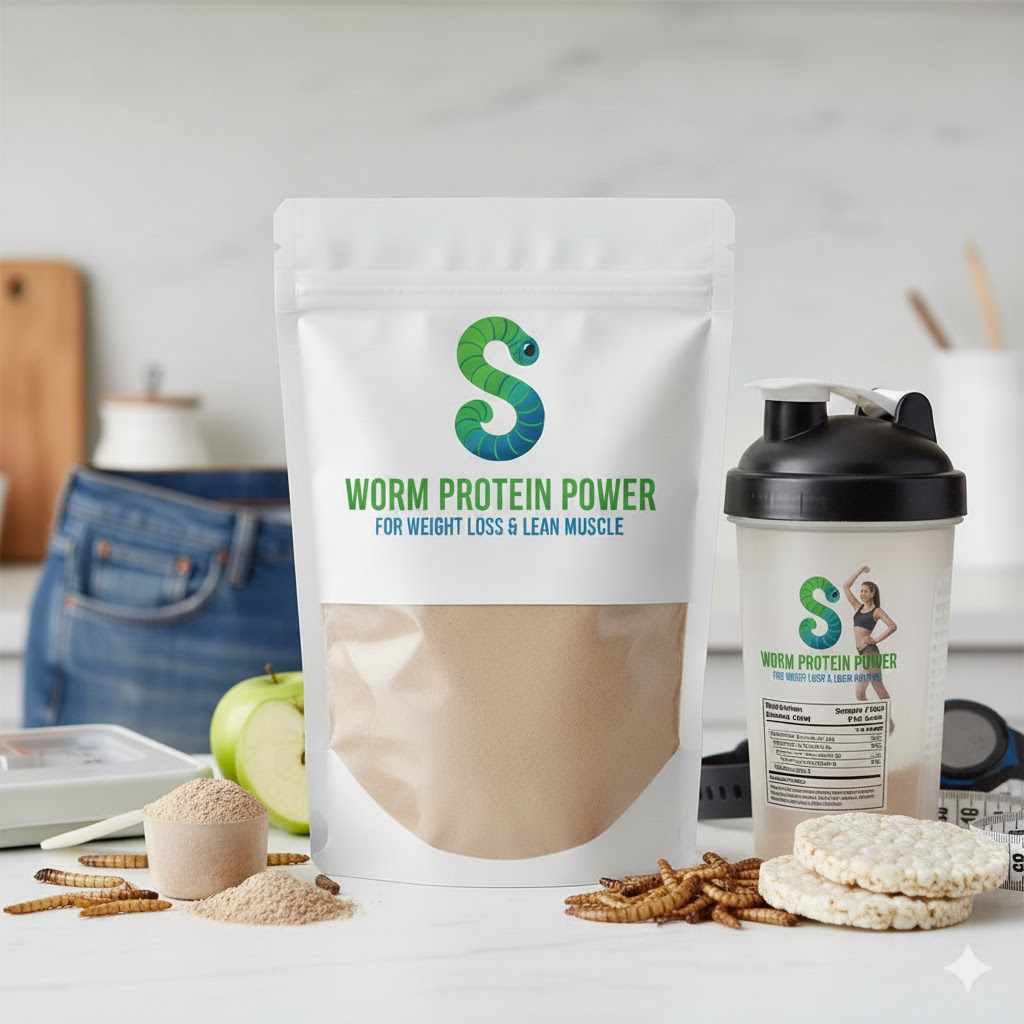
The first thing you can do is replace a high-calorie snack or daily protein shake with a protein shake made from worm-based protein powder by adding 1 to 2 scoops of it into water, unsweetened almond milk, or low-fat milk for a filling, low-calorie drink based on your preferences. This drink will help in reducing calorie intake while providing you with a feeling of fullness.
You can also add worm-based protein powder to your breakfast by just mixing it in oatmeal, yogurt, or smoothies. This can reduce hunger for a long time.
Use it as a post-workout drink by just mixing whey protein with water, milk, or a fruit smoothie.
In order to stay within limits, follow the Follow the recommended serving on the product label (usually 20–30 g per scoop). Avoid adding sugar or other high-calorie ingredients to remove the risk of calorie intake.
You can also combine worm protein powder with a balanced diet that includes items like vegetables, fruits, whole grains, and healthy fats.
You can also use worm-based protein powder in different recipes like pancakes, muffins, or protein bars made with other low-calorie ingredients. This will allow you to control calorie intake.
If you’re new to worm-based protein powder, then start with a small serving to ensure your digestive system tolerates it because some people experience bloating or gas due to chitin in insects.
Reasons You might Switch to Worm (insect) Protein
Worm-based protein powder is high in protein as compared to other conventional sources. According to some recent studies, the protein in insects such as mealworms/lesser mealworms can be easily digested and absorbed, similar to high‑quality animal proteins like milk.
Worm protein is high in amino acids, as insects are considered a good source of amino acids that can’t be made inside the human body.
The farming of insects needs less water, and emits fewer greenhouse gases which makes the worm based protein powder suitable for environment as compared to traditional livestock.
The worm-based protein powder is free from items that are dairy- or soy-based, so it can be the best alternative for the people who are lactose‑intolerant or allergic to dairy/soy but not allergic to insects.
Top Alternatives to Worm Protein Powder
Since some people face severe allergic reactions, I have some good alternatives for you.
- Cricket Protein Powder
- Whey Protein
- Pea Protein
- Soy Protein Isolate
- Brown Rice Protein
- Pumpkin Seed Protein
Scientific Studies on Insect (Mealworm/Cricket) Protein
According to a 2020 study published in Foods found that mealworm protein have complete amino acid profile as compared to soy and higher than many plant proteins.
According to Research in the Journal of Agricultural and Food Chemistry showed that cricket protein has high leucine, valine, and isoleucine content, making it suitable for muscle repair and athletic performance.
According to a 2019 study in Nutrition Reviews reported that insect proteins have a digestibility score of 76–98%, depending on processing same as casein and whey.
According to a major study in PLoS One confirmed that mealworms produce 10–100x fewer.
According to a 2022 safety review found there is no evidence of major long-term health risks, but called for more human clinical trials.
Regulatory Status (Country-by-Country)
In United states, the products that include insects like protein powder are consider legal and sold as food supplements.However, the company must follow the FDA Food Safety Modernization Act (FSMA) rules. There is no federal ban on any mealworm/cricket protein-based product.
In the European Union the insect protein are classified as “novel foods.” The use of insects in food, like mealworms, crickets, and locusts, is approved by EFSA. The company just needs to follow safety evaluations and obtain authorization to sell it.
In the United Kingdom, the post-Brexit rules allow sales of cricket & mealworm protein with proper safety documentation.
In Canada the Canadian Food Inspection Agency (CFIA) allows the use of insects in food items, however with proper labeling and allergen declarations.
In Australia & New Zealand, it is legal to use some specific insects in products; however, it is strictly regulated under FSANZ. Only certain insect species are approved for human consumption.
In South Asian countries like Pakistan, India, and Bangladesh, there is no ban on insect protein; however, they are not also common supplements because most products are imported, and the food authorities may also vary from country to country, so users should check local guidelines.
In South east countries like Thailand, Vietnam, and the Philippines, the use of insect-based food items is highly accepted culturally because Thailand is a global leader in cricket and mealworm farming.
Myths about Worm based Protein Powder
Some common myths about insects based protein powder are as follow:
Myth 1: Protein powders secretly contain worms.
No, it’s just a myth; most popular brands still don’t use insects. If they do, it will be clearly labeled.
Myth 2: Insect protein is unsafe.
No, there is no research or evidence showing that insect protein is unsafe; all that is needed is that they be properly processed.
Myth 3: It tastes disgusting.
No, it is also just a myth, as many users say it tastes like nutty roasted grains.
Myth 4: Insects are dirty.
No, these insects aren’t just like normal insects on roads and in other places. The insects used in protein powder are farmed and raised in clean, controlled environments similar to food-grade livestock.
Myth 5: Insect protein is just a trend.
Incorrect in-fact it’s a fast-growing $1B+ industry with real environmental benefits.
What Real People Say about Insect based Protein Powder
These reviews are just shared to understand what people are saying about an insect-based product; however, the experiences may vary from person to person.
Review 1: I decided on a whim to order some cricket protein powder … I’m very impressed! … 25 g gives … 19 g protein … I whizzed it up with an egg for a really filling lunch … You really can’t tell it’s bugs.
Review 2: I haven’t tried it in a shake, but I’ve had it in cookies/baked bars. Can’t really taste it—maybe a slight earthiness. I don’t know that I’d be able to drink it, but I’d probably put it in things like baked oatmeal with no issues.
Review 3: The bars … did not bother me, did not give me the usual run 15–30 mins after eating them, no weird gas or pain … However, they were dry AF and, back then, super expensive.
Review 4: It tastes kind of crappy. Predominantly like pea protein, tbh. A bit wooden, cardboardy.” (about insect protein powder)
Also Read: Can You Eat Expired Chips Safely? Myths, Facts & Storage Tips
Frequently asked Questions by People: Is Protein Powder made from Worms
Is protein powder made from worms legal?
Yes, the protein powder made from worms is legal in many regions, like the European Union and parts of Asia, especially Thailand, where the use of mealworms and certain other insects is officially recognized as novel foods. However, the local regulation may vary depending on different religions or cultures.
Is protein powder made from worms?
Yes, some protein powders are made from worms like mealworms or crickets. You will get that on the label clearly, but the regular protein powder is made from whey, pea, soy, and casein.
Is worm or insect protein safe?
Yes, for most people, consuming worm or insect protein is completely safe; however, some people who are allergic to shellfish or dust mites should avoid it, as it can trigger allergic reactions due to similar protein structures.
Does insect protein taste bad?
We can’t say it is bad; most people report it tastes nutty, earthy, or slightly roasted. It work best if you mix it in smoothies, pancakes, and baked foods.
Is worm protein halal?
This varies by Islamic school of thought, as some consider certain insects permissible, while others do not. Check with your local scholar.
Is insect protein better than whey?
No, it’s not better; however, it is unique when it comes to advantages like more iron, more sustainability, and complete protein. Whey is still considered a kind of protein powder.
Where can I buy insect protein powder?
You can buy insect-based protein powder easily online or in specialty health stores; however, it may not be available locally in South Asian countries yet.
How should I incorporate worm protein into my diet?
Start with small amounts, like 1 to 2 scoops in your daily shakes and smoothies. Use it as a snack replacement or a post-workout supplement. Take a protein shake with other nutrition-based food items, like fruits, vegetables, and other protein sources, for optimal results.
How do I know if a worm protein powder is safe and high quality?
Always read the label before buying to learn about the insect species and third-party certifications or lab tests. Many reputed brands listed all these on the label.
Is worm protein suitable for people with lactose or soy intolerance?
Yes, it is suitable for people with lactose or soy intolerance because worm protein powder completely comes from insects, which are neither dairy nor soy-based. However, always check how your body reacts.
Can I rely solely on worm protein for my nutrition?
A big no on depending on any protein powder because for nutrition all you need is a healthy diet that includes a variety of protein sources and other nutrients. You can use protein powder as a daily supplement on a daily basis.
Is insect protein environmentally friendly?
Yes, worm-based protein powder is environmentally friendly, as it just needs water, feed, and land as compared to traditional livestock.
Are there any side effects of worm protein?
Yes, like any other product, it also has some side effects, such as digestive discomfort, especially when you are new to it because of the interaction with insect exoskeleton. Allergic reactions are very rare but can trigger in people who are sensitive to shellfish or dust mites.
Can worm protein help with weight loss?
Yes, worm protein helps in weight loss, as it promotes satiety, meaning it will provide you the feeling of fullness for a long time, which leads to less hunger and less calorie intake. It is also high in protein and low in carbohydrates, which makes it suitable for people who follow strict diets like keto and low carb.
How does insect protein compare to whey protein?
Worm-based protein and whey are both good in their own way based on people’s preferences; however, if you’re looking for muscle building and recovery, go for whey protein powder, as it is a choice of many fitness enthusiasts and athletes.
How is worm protein powder different from regular protein powders?
Worm protein powder is different from traditional protein powder like whey, soy, or pea protein, as it is derived from edible insects such as mealworms or crickets. The label of worm protein powder includes the insect source. Whey-based protein powder contains all 9 amino acids, which is not commonly found in plant-based protein powder.
Can I use worm protein powder every day?
Yes, you can use any protein powder daily but in a moderate quantity. By sticking to the recommended serving size and making it a part of a balanced diet, you will get the best results.
Conclusion: Is Protein Powder made from Worms?
Yes, some protein powders are made from worms specifically mealworms and while it might sound unusual, they’re actually a nutritious, sustainable, and safe source of protein. Worm protein powder is rich in essential amino acids, vitamins like B12, and minerals such as iron and zinc, making it a powerful alternative to traditional protein sources like whey or soy.
I hope so. Now you have the answer: Is protein powder made from worms? Even though mealworm protein powder has sustainability and nutrition advantages, its availability and usage are currently less than other well-known protein sources.
It is important to understand that ongoing research on insect-based protein may impact its future popularity as the market progresses. When it comes to flavor, most individuals discover that insect protein powder has a neutral or slightly nutty taste, which makes it simple to add to a range of dishes and drinks.
Although some people may initially feel disgusted by it, insect protein is becoming more acknowledged as a nutritious, sustainable, and adaptable source of protein.
Also Read: Can You Take Creatine with Milk? Explore Benefits, Safety & Tips
Medical Disclaimer
This article is just for informational purposes only and should not be considered medical advice. Always consult with a healthcare professional before making any changes to your diet, exercise routine, or healthcare plan.


