In recent years, people have become more conscious when it comes to health and fitness; they try different things, from strict diets to changes in food, to stay healthy for a long time. One staple supplement that has grabbed public attention recently is MCT oil, or medium-chain triglyceride oil. Many health-conscious people, including fitness enthusiasts and dieters, use this oil because it helps boost energy, manage weight, and improve cognitive performance. However, there is no supplement in this world that is free from risks and side effects. If you are someone who wants to try this oil, then understanding MCT oil side effects is important for you to make sure it is safe.
In this article, we will discuss what MCT oil is, the ingredients it contains, its health benefits and side effects, recommended dosing, and alternative options.
What is MCT Oil?
MCTs are a type of fat that can be easily absorbed into your body; they later convert into energy better than the other fats that take a long time to digest. This property makes MCT oil a choice for many people who want an instant energy source, especially people who follow a strict diet like low-carb or keto. The main ingredients found in MCT oil include caprylic acid, capric acid, and lauric acid. Caprylic acid is a high source of energy production and rapid ketosis. Capric acid provides a steady release of energy, and lauric acid has some antimicrobial benefits. All these ingredients in MCT oil are beneficial for health.
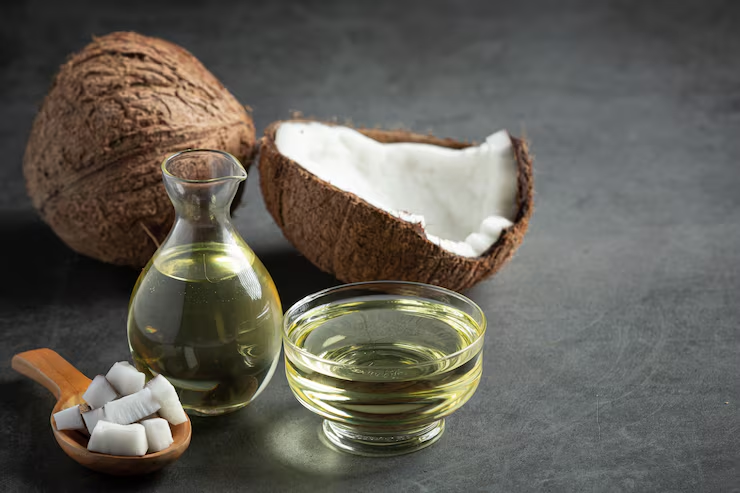
Now you may have a question in mind: how can you get MCT oil naturally? Well, you can get it from some natural sources like coconut oil, which contains 60% MCTs, and palm kernel oil. Additionally, MCT oil doesn’t contain any other fats, which slow the digestion process; this makes it a better choice among people. However, there are major side effects of MCT oil also if you don’t use it properly.
6 Reasons Why People Use MCT Oil
People use MCT oil for many reasons; here are some as follows:
Energy Boost: Some people use MCT oil to get a quick energy boost, as MCTs instantly convert into ketones, which give you immediate energy without any changes in blood sugar levels.
Weight Management: Another reason why people prefer MCTs is they play an important role in weight management by enhancing fat oxidation and encouraging satiety.
Cognitive Support: According to the research, MCTs provide alternative energy, which supports overall cognitive function in the brain and leads to better focus and clarity.
Digestive Health: MCTs are absorbed quickly by the body as compared to other fats, which helps in providing a balance between gut microbiota.
Convenience: It is easy to take as you can mix into anything like coffee, smoothies, or salad dressings.
Heart health: MCTs are also good for heart health, according to the recent studies. MCTs improve cholesterol positively by increasing HDL (good cholesterol) and have less effect on LDL (bad cholesterol).
What are the Side Effects of Using MCT Oil?
While MCT oil is completely safe, there is no oil or supplement in the world that doesn’t have any side effects, especially when you consume it in high quantities. Most common side effects are as follows:
Digestive System Side Effects
MCT oil isn’t good for people who have sensitive stomachs because it is quickly absorbed by the body, which can lead to diarrhea and loose stools.
Most people report they face diarrhea after consuming MCT oil. The main reason behind it is this oil pulls water into the intestines, which results in loose stools, so if you are someone new to MCT oil or you have a sensitive stomach, then it’s better to start with a small quantity, like taking 1 teaspoon in a day.
Nausea or Vomiting
Some people experience nausea and vomiting after consuming MCT oil in high quantities on an empty stomach. You can use MCT oil in small quantities but not on an empty stomach.
Stomach Cramps and Bloating
Besides disturbed stomach, vomiting, and nausea, people also report other issues like abdominal discomfort, gas, or bloating when they consume MCT in a large amount, like 2 to 3 teaspoons in a day.
Potential Increase in Appetite
While people prefer MCTs in weight management, some people report feeling hungry and craving different things after consuming MCTs, maybe due to changes in blood sugar levels and ketones.
Changes in Cholesterol Levels
MCTs are good for heart health, as they increase good cholesterol if consumed in a moderate amount; however, if you consume MCTs in high quantities, it can lead to an increase of bad cholesterol (LDL), which is bad for your heart. It is important to focus on the amount you consume, especially when you already have a heart condition or high cholesterol.
Possible Fatty Liver Risk
When you take MCT in a high quantity regularly for a long time, it can lead to fat accumulation in the liver, which can increase the risk of liver issues like liver dysfunction in people who already have liver disease. However, taking a moderate amount of MCTs is safe.
Allergic Reactions to MCT Oil
Some people do report allergic reactions after consuming MCT oil, such as skin rashes, hives, itching, and swelling. Additionally, MCT oil is not for the individuals who are already allergic to coconut or palm products.
What Happens When MCT Oil Interact With Medications?
When you start adding MCT to your daily diet routine, you should also consider its potential interactions with medications.
If you are taking medications like over-the-counter, vitamins, and herbal ones, then there is a possibility MCTs may interact with these drugs.
According to the research, there is no interaction recorded; however, if you are someone who is taking liver, heart, or fat loss medication, then it is advised to first consult with your doctor before adding MCT oil to your diet.
If you are on medication that is used for better blood flow or reducing diabetes or cholesterol, then adding MCT to your diet without consulting with the doctor can lead to certain side effects, so always inform your healthcare provider of any supplement usage. Give them the full list of your medicines, and then ask, “Can I take MCT oil with these drugs or not?”
Who Should Avoid MCT Oil?
While many people use MCT oil and they are satisfied with it but remember everything is not for everyone. There is a list of people who should avoid MCT oil to save themselves from its side effects.
If you are someone who already has liver disease, then MCT is not for you because MCT is easily metabolized in the liver, and if you consume it in high amounts, it can lead to severe liver conditions.
If you are someone who has fat malabsorption disorders like pancreatitis, biliary insufficiency, or certain GI diseases, then MCT is not for you, as MCTs are fats and can make your condition worse.
If you are allergic to specific oils like coconut or palm kernel oils, then MCT oil isn’t for you, as MCTs mainly come from these oils.
If you are pregnant or on breastfeeding then MCT oil is not recommended to you.
If you have heart disease or dyslipidemia, then MCT is not for you, as MCT may affect lipid profiles.
So if you have any condition from then, avoid it; it’s better to avoid MCT oil, or you can consult doctors first before taking it.
Precautions Before Using MCT Oil
In order to stay safe from MCT oil side effects, you can do some of the following things:
If you are new to MCT oil, then taking it in a small dose works for you. Notice how your body reacts to it, and then you can increase the dose.
Never take MCT oil on an empty stomach, as it can disturb digestion, especially in early days.
Always choose the best supplements from a well-known brand. Also, read the label to see if the oil is pure (C8/C10) and free from artificial additives.
If you are on certain medications and have health problems as we discuss earlier in the guide, then always consult with your healthcare provider before adding MCT oil to your diet.
After consuming MCT, stay alert; if you face any side effects like discomfort, vomiting, and nausea, stop taking it.
Make sure you use MCT oil in a moderate amount, as overconsumption can lead to severe health issues.
By following these precautions you can easily take MCT oils by reducing the side effects of it.
Safe Usage and How to Reduce Side Effects
Here’s how to use MCT oil safely without facing side effects:
If you are a beginner, start using a small amount of MCT oil, like ½ teaspoon in a day, and then after some days or weeks, you can switch to 1 teaspoon. Keep the quantity the same to save yourself from any kind of side effects.
You can take MCT oil by mixing it in your coffee, smoothies, yogurt, or salad dressings. This will slow the absorption and reduce the risk of digestive issues.
Remember moderation is the key; don’t overconsume it, as the limit is 1-2 teaspoons.
When you are taking MCT, also try to stay hydrated and eat a proper and balanced meal. The main reason behind it is MCT oil can speed fat metabolism and alter digestion.
You can also take MCT oil with your daily meals.
If you are using MCT oil for keto or other digestive benefits, then align the dose with overall fat intake and other nutrients to avoid imbalance.
Signs You’re Taking Too Much MCT Oil
When you begin consuming MCT in high quantities, your body may start to exhibit early signs such as
- You face severe diarrhea or loose stools that will not go easily without antibiotics.
- You feel nauseous, and you start vomiting after consuming MCT oil.
- You may feel digestive issues like abdominal cramps, bloating, and gas after taking a teaspoon of MCT oil.
- You may feel hungry or cravesomething after taking MCT oil.
- Other symptoms like fatigue, dizziness, or hypoglycemic‑type take place after consuming this oil.
How Preparation and Dosage Timing Affect Side Effects?
Timing and preparation matter in everything, even if we talk about MCT oil, as it will reduce the side effects:
Don’t take MCT oil when you are fasting, as taking it on an empty stomach can trigger the digestive system and lead to cramps and diarrhea, as this oil is absorbed instantly, so always take MCT oil after eating anything or even with your meal.
For easy digestion, you can mix MCT oil with other food items like smoothies, coffee with cream, and yogurt.
You can also take MCT oil along with the meal that includes other fats like fiber and protein. It will make the digestion process smooth.
The best time to take this oil is after breakfast or lunch, as taking it before bed leads to digestive issues, which obviously disturb your sleeping cycle.
Instead of taking a teaspoon one at a time, try to take half in the morning and half in the afternoon; it will allow your body to get used to it.
How to Introduce MCT Oil Slowly in diet to Avoid Side Effects?
- If you are new to MCT oil, then start with ½ teaspoon for 3 days with a meal.
- If you don’t face any digestive issues on those days, then start taking 1 teaspoon of MCT with one meal for 4 to 7 days.
- If you are body is completely fine with MCT oil then you can split 1 teaspoon between two meals especially in morning and afternoon. Do this for 2 weeks.
- After 2 weeks with zero side effects you can increase from 1 teaspoon to 2. Take MCT oil in 2 doses in the morning and afternoon with your meal.
- After 4 weeks, continue with the same amount, which is 2 tablespoons in a day, as overconsumption can lead to side effects.
Also Read: Neuro Gum Side Effects: What You Should Know Before Chewing It
How to Choose the Best MCT Oil to Minimize Side Effects
You can look for these things before choosing an MCT oil as follows:
- Always read the label to see if the oil contains caprylic (C8) & capric (C10) or not.
- Choose well-known and trusted brands, especially for things like oil.
- Don’t take oil that has artificial additives like flavor or sweeteners.
- Choose bottles that are good in packaging, like tightly sealed and stored in a dry, cool place.
What are the best Alternatives to MCT Oil?
If you are someone who can’t tolerate MCT oil or has the health conditions that I highlighted earlier, then you may want to know the alternatives to MCT oil. Following are some alternatives for you.
Coconut oil: naturally contains MCTs but also has fatty acids, which are good for digestion.
Avocado oil / olive oil / macadamia nut oil: You can go for these oils; they didn’t absorb rapidly. However, they do support fat intake with fewer digestive problems.
Ghee/clarified butter: Many people use this, as they are highly saturated fats and can be tolerated by many people if taken in moderation.
Medium‑chain triglyceride blends: You can mix MCT oil with other healthy oils to slow down rapid absorption.
Whole‑food sources of MCTs: If you want to avoid MCT oil but still want to take it, then you can go for certain food sources like palmitoleic acid, dairy fats, and nuts. They also provide MCT oil but in small amounts.
Top Mistakes People Make while taking MCT Oil
Some people face side effects of MCT oil only because they don’t consume it properly.
Instead of starting with a small dose, people go for a large dose, like 1–2 tablespoons in a day, which leads to diarrhea, nausea, and bloating.
Some people take MCT oil on an empty stomach, which triggers the digestive system.
Some people take MCT oil directly without mixing it with other food items or taking it with a meal.
Some people pay no attention to the body and how it reacts after taking MCT oil, which later leads to severe health issues.
If you have some serious medical condition or you are on certain medications, then adding MCT to your diet without consulting with the doctor can lead to serious complications.
Also Read: Vegetable Oil in Protein Shakes: Benefits, Risks, and Better Alternatives
User Experiences and Case Studies on MCT Oil
Many consumers that are following a strict diet like ketogenic report positive reviews, like when they take 1 teaspoon of MCT oil daily in their morning coffee, it provides them an instant energy boost and gives them a feeling of fullness for a long time. Whereas some people who use MCT in an excessive quantity report side effects like diarrhea or bloating; however, these effects go away properly when they take MCT in a moderate amount.
Some athletes try MCT oil before workouts for a quick energy effect; however, some experience stomach cramps or loose stools because they take it in a large amount.
Some people take MCT for better focus and mental clarity; they report that after taking MCT daily after breakfast, they feel more focused and alert.
In clinical cases, children using MCT oil as part of a ketogenic diet for seizure control tolerated small doses well.
Some people who are on a weight loss journey notice MCT oil does support weight loss.
Conclusion
MCT has many benefits when it comes to health, from providing instant energy boosts to improved cognitive performance, but like many other supplements, there are also some side effects of MCT oil, like vomiting and nausea. If you take MCT in an excessive amount, it can lead to some serious side effects, but if you take it in a moderate amount by following the proper precautions I provide, you can enjoy the benefits of MCT for a long time.
FAQs on MCT Oil Side effects
1. What are the common side effects of MCT oil?
The common side effects of using MCT oil, especially in high doses, include diarrhea, nausea, stomach cramps, bloating, and gas.
2. Can MCT oil cause diarrhea?
Yes, the most common side effects of using MCT oil include diarrhea or loose stools. This happens because MCT oil absorbs rapidly and pushes water into the intestine, leading to loose stool or even diarrhea in some cases.
3. Will MCT oil make me gain weight?
Since MCT supports weight management and can help in weight loss, but overconsumption of MCT can lead to weight gain issues.
4. Can MCT oil affect cholesterol levels?
When you take MCT in small quantities, it can increase good cholesterol (HDL), but if you take it in large amounts, it can increase bad cholesterol (LDL).
5. Is MCT oil safe for everyone?
No it’s not as everything isn’t suitable for everyone. A person who is allergic to coconut or olive oil can’t tolerate MCT oil either. On the other hand, people who are on certain medications for liver and heart disease can’t take MCT oil.
6. How can I reduce side effects of MCT oil?
If you are a beginner, start using a small amount of MCT oil, like ½ teaspoon in a day, and then after some days or weeks, you can switch to 1 teaspoon. Keep the quantity the same to save yourself from any kind of side effects.
7. What are signs I’m taking too much MCT oil?
When you take MCT oil in excessive amounts, it can lead to persistent diarrhea, nausea, stomach cramps, bloating, or increased appetite.
8. Can MCT oil interact with medications?
Yes, it does interact with certain medications, including diabetes or cholesterol drugs.
9. Are MCT oil side effects permanent?
No, they are temporary and go away on their own when you stop taking them.
10. Are there alternatives if I can’t tolerate MCT oil?
Yes, you can go for some alternatives like coconut oil, avocado oil, olive oil, ghee, or whole-food sources of medium-chain fats.
Medical Disclaimer
This article is just for informational purposes only and should not be considered medical advice. Always consult with a healthcare professional before making any changes to your diet, exercise routine, or healthcare plan.