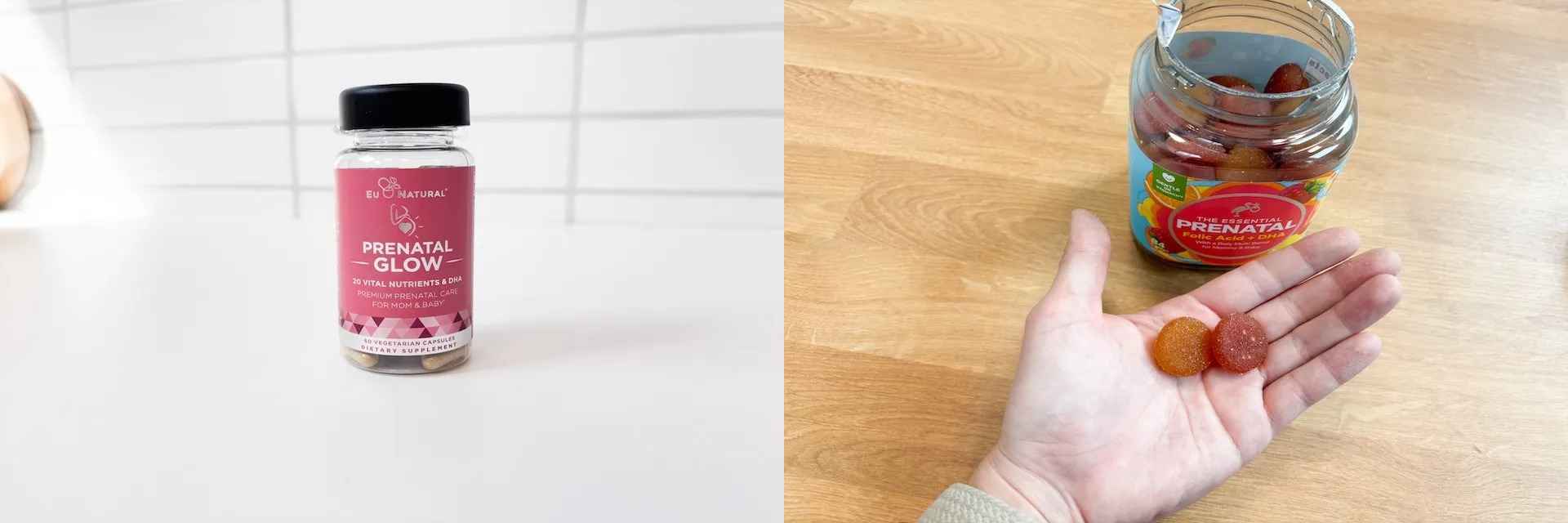
Pregnancy is a time in a woman’s life when she feels excited, confused, and anxious. Pregnant women are cautious about everything they consume, as each choice is significant during pregnancy. One of the most common concerns for many expectant mothers is whether prenatal vitamins can contribute to weight gain. Many pregnant women search on this question: Do prenatal vitamins make you gain weight? if you are curious too you aren’t alone. Additionally It is important to understand how these supplements work; what are the benefits and side effects of using prenatal vitamins, and how to use them correctly is crucial for a healthy pregnancy.
In this article, we will discuss in detail what prenatal vitamins are, why these supplements are good during pregnancy, their benefits and health concerns, how to use them effectively, and how they can lead to weight gain.
What are Prenatal Vitamins actually?
The manufacturing of prenatal supplements focuses on making formulated dietary supplements that can support the necessary nutritional needs of women during and after pregnancy. These vitamins are completely different from the other regular multivitamins, as they contain higher nutrients, which is best for the development of fetal growth and mother health.
Prenatal vitamins are rich in nutrients like folic acid, iron, calcium, vitamin D, iodine, vitamin B12, and DHA.
The most important vitamin in prenatal supplements is folic acid. It helps in preventing the defect in the neural tube in the baby’s development.
On the other hand, iron in the prenatal vitamins supports increasing the mother’s blood volume and protects her from diseases like anemia, which is very common in pregnancy. Calcium is important for bones and teeth for both mother and baby. The vitamin D in this supplement supports overall immune health.
The iodine in prenatal vitamins is important for thyroid function and proper brain development in the fetus.
The vitamin B12 in prenatal vitamins supports the formation of red blood cells. Vitamin B12 also supports neurological functions in the brain.
Lastly, DHA (docosahexaenoic acid) is an important omega-3 fatty acid that is necessary for brain and eye development in the baby.
Forms of Prenatal Vitamins
Like any other supplement, prenatal vitamins also come in different forms based on different preferences:
One of the most common forms is tablets and capsules, which a person can take once a day.
Prenatal vitamins also come in gummy form, as they are very popular nowadays and easy to consume, but they lack nutrition like iron.
Some people find it difficult to swallow pills or eat gummies, so prenatal vitamins also come in liquid form.
By taking this supplement properly and on a doctor’s recommendation, it can help in reducing the risk of any kind of defect in the child, support the mother’s health, and prepare the woman’s body for labor and breastfeeding.
Top Prenatal Vitamin Brands in 2025
Based on expert reviews and market insights, here are some of the leading prenatal vitamin brands in 2025:
- Nature Made: It is considered the most trusted when it comes to supplements. best known for its Prenatal Multi + DHA vitamins, which are often recommended by health experts for women during pregnancy.
- Ritual: It is also a good clean-label brand, especially for vegans. Their vegan prenatal vitamins with highly absorbable nutrients for easy digestion are recommended by my doctors.
- Garden of Life: They make whole-food-based prenatals, with the popular Raw Prenatal formula.
- New Chapter: Their Perfect Prenatal is fully based on natural and fermented ingredients, making it a good option for people who want something completely organic in nature.
- Perelel: This brand features trimester-specific prenatal packs especially designed for different stages of pregnancy.
- MegaFood: Known for Baby & Me2, a whole-food prenatal vitamin best for the people who have sensitive stomachs.
- Sakara: It is a premium wellness brand offering a prenatal foundation pack made with superfoods.
- Herbs of Gold: An Australian-based brand known for high-quality nutritional and prenatal supplements.
- Beli: Recently gained attention for bioavailable nutrients and strong overall prenatal support.
Why It’s important to keep taking Prenatal Vitamins during Pregnancy?
If you take prenatal vitamins continuously during pregnancy, it can be beneficial for your health and baby.
Prenatal vitamins are full of nutrients like folic acid, iron, calcium, and DHA. All these nutrients are important for the development of the baby, as they help in the formation of the neural tube, brain, and bones. Prenatal vitamins also reduce the risk of birth defects in the baby. If you skip these vitamins, it can lead to pregnancy complications.
In pregnancy your body needs more nutrition daily as the development of the baby increases nutritional needs. Even a healthy meal can’t cover the need for nutrition in the body, so taking supplements like prenatal vitamins helps in filling the need for nutrition in the body and ensures both mother and baby are getting full nutrition.
When you take prenatal vitamins during pregnancy, it can reduce the risk of complications in pregnancy like anemia, preterm birth, and low birth weight because the nutrients, such as iron and vitamin B12, in prenatal vitamins prevent anemia, which is the source of fatigue and other health issues.
When you are pregnant, the body becomes weak, and so does the immune system. Prenatal vitamins can help the body by maintaining energy levels, supporting immunity, and preparing the body for labor and delivery.
Most gynecologists and midwives recommend prenatal care before and during pregnancy. If you start taking these supplements 3 months before conception, it can maximize benefits.

How to Use Prenatal Vitamins safely?
Taking a supplement in the correct quantity is important, as it will allow you to get full benefits and stay safe from side effects like digestive issues.
The first thing you need to do is follow the recommended dose provided by your healthcare professional. You can also read instructions on the label of supplements. Remember to take it as the given dosage because overconsuming a product that is rich in soluble fat vitamins like A, D, E, and K can be dangerous for mother and baby.
Some supplements work best when you take them with a meal. Prenatal is one of them; you can consume them with your daily meal, as it will encourage smooth absorption, which leads to reduction of digestive issues like nausea or stomach upset. Prenatal vitamins include nutrients such as iron, which helps in better absorption when you take it with other vitamin C-based food items like oranges or strawberries.
When taking a supplement, especially the one in pregnancy, it’s important to stay consistent, as it will work effectively in the body. Try not to miss a single dosage for good results.
While taking prenatal vitamins is completely safe for most pregnant women, not everything suits everyone, so some women do experience mild side effects like constipation, nausea, or heartburn. If you also notice such symptoms, switch to the gummy or liquid form of prenatal vitamins, as many times it is the tablet that causes nausea. Take supplements at different times in a day if they upset your stomach, and stay hydrated.
Consider prenatal vitamins a bonus to provide your body nutrients that are needed in the body during pregnancy, but don’t think of them as a replacement for a healthy and nutritious diet. While taking prenatal, also focus on a balanced diet that includes fruits, vegetables, lean proteins, and whole grains.
What are the Health Benefits of Prenatal Vitamins?
Prenatal vitamins have many benefits when it comes to women and baby health. Following are some benefits:
1. Supports Baby’s Growth and Development
Prenatal vitamins are rich in nutrients like folic acid, iron, calcium, and DHA. All these nutrients play an important role in the formation of the fetus. The folic acid in these supplements helps to stay safe from the risk of defects in the neural tube; on the other hand, calcium and vitamin D support bone health, and DHA helps in the development of the brain and eyes.
2. Prevents Maternal Deficiencies
In pregnancy the need for nutrition increases in your body, which can’t be covered by just taking a healthy diet. Prenatal vitamins complete the space of all nutritions required in the body. It helps prevent deficiencies like vitamin D and iron deficiency, also known as anemia, which cause weakness and fatigue in the body.
3. Supports Immune Function
Nutrients like vitamins A, C, and D and minerals found in prenatal help in boosting the immune system, which is necessary during pregnancy when your body and immune system become weak and get more reachable to infections.
4. Reduces Risk of Pregnancy Complications
Prenatal vitamins aren’t only rich in nutrition but also prepare your body for delivery and labor pain. The nutrients like iron and folic acid are important, especially in maintaining healthy blood levels and reducing anemia.
5. Prepares the Body for Breastfeeding
Prenatal vitamins are rich in nutrients, and those nutrients, like calcium and iron, are stored during pregnancy, which later helps in the production of milk in breastfeeding. This ensures that both mother and child get full nutrition during the early months of childbirth.
What are the Side Effects of Prenatal Vitamins?
Prenatal vitamins are generally safe during pregnancy; however, some women may experience side effects, as not all supplements agree with everyone.
Some common side effects include nausea, upset stomach, constipation, bloating, gas, and heartburn. Nausea can happen in the first trimester. Constipation can occur because of iron. Bloating and gas can be caused by mineral intake. Heartburn can occur by taking a supplement on an empty stomach.
Some women also face rare side effects like allergic reactions (rash, itching, swelling) and severe gastrointestinal issues.
Tips to Manage Side Effects
- To save yourself from side effects like nausea, take vitamins with your daily meal.
- If the tablets are giving you side effects, then choose a different form of prenatal like gummies and liquid.
- Stay hydrated by drinking plenty of water to overcome issues like constipation.
- If your side effects don’t go away in some hours or you face a rare one, then consult your healthcare provider for further information.
Tips to reduce Prenatal Vitamin bloating and digestive discomfort
Prenatal vitamins never lead to weight gain; however, you may face side effects like bloating or feeling heavy. Here are the tips to reduce this side effect.
1. Take Vitamins With Food
If you consume prenatal vitamins with other food items that are rich in vitamin C. This will help in improving absorption and reduce issues like nausea and bloating. Always avoid taking any vitamins on an empty stomach.
2. Stay Hydrated
Try to stay hydrated because drinking enough water helps prevent constipation and water retention, which can contribute to a feeling of heaviness.
3. Go for Gentle Forms
Tablets can react on an empty and sensitive stomach, so go for easier options like gummies or chewables. They may be less nutritious but have fewer effects as compared to tablets.
You can also go for the prenatal liquid form, as it can reduce bloating and improve digestion.
4. Adjust Timing
Many people who take vitamins on an empty stomach in the morning face side effects like nausea and heaviness. Try to take these vitamins with a meal or in the evening with a snack to avoid such side effects.
5. Include Fiber in Your Diet
Remember, prenatal isn’t a replacement for a healthy diet, so try to keep your diet rich in food items that include fiber, like fruits, vegetables, and whole grains. Taking fiber food items can reduce supplement side effects like constipation and bloating.
6. Consult Your Doctor
If bloating doesn’t go away on its own in some hours, then go to the healthcare provider. They will understand your situation better and recommend you something to ease it.
Do Prenatal Vitamins make you gain weight?
Prenatal is full of nutrition; however, many women even search Do prenatal vitamins make you gain weight? As in pregnancy, their body already goes through many changes. The short answer is no, there is no direct connection between prenatal care and weight gain. Prenatal vitamins are made to provide the nutrients your body needs during pregnancy, and they are very low in calories in nature, like a single tablet containing 10–20 calories. If you are facing weight gain during pregnancy while taking the supplements, then it is completely normal to gain weight during pregnancy; the supplement itself does not lead to weight gain.
Why many people think Prenatal Vitamins lead to weight gain?
Many women relate prenatal to weight gain because they face issues like bloating and water retention, which makes them feel heavy. The reason is some minerals in prenatal vitamins, especially iron, cause temporary water retention, which leads to bloating and heaviness.
Since prenatal vitamins help in providing the nutrients a body needs in pregnancy, when the body gets full nutrient support, it may lead to hunger and overeating, which makes you feel heavy. That is very natural in pregnancy.
Some women face side effects while taking tablets due to their heavy stomach, so they go for other forms of it, such as gummies. Some prenatal vitamin gummies contain sugar and calories, and when you take them in a large quantity, they can lead to weight gain.
In short, prenatal vitamins help in getting all the nutrients instead of making you fat, and weight gain is very common in pregnancy, so we can’t find any direct connection between prenatal vitamins and weight gain.
Why your weight changes during Pregnancy?
It’s important to understand that weight gain is a part of pregnancy, and it’s necessary. Most pregnant women gain weight in the early trimester of pregnancy; the range of weight could be between 25 and 35 pounds. It also depends on what weight you have before pregnancy.
When you are pregnant, you eat for both yourself and the baby’s growth. When a baby starts growing, it naturally leads to weight gain.
During pregnancy the placenta and amniotic fluid take place in the body, which also leads to weight gain.
When you eat for both yourself and your baby in pregnancy, your body increases blood volume from 30% to 50%, which can also lead to weight gain.
In pregnancy, when you prepare breasts for breastfeeding, it also adds extra weight in the chest area.
In pregnancy your body stores fat to provide energy for breastfeeding postpartum. It can also lead to weight gain in the body.
Are any Prenatal Vitamin elements Linked to unwanted weight gain?
The ingredients in prenatal don’t cause weight gain directly; however, let’s have a look at some elements that can have a minor effect.
1. Iron: One of the main components in prenatal vitamins is iron, which helps in preventing anemia; however, some women face bloating, constipation, and mild water retention. These side effects can make you feel heavy, but they don’t contribute toward fat gain.
2. Gummy or Chewable Prenatal: Some forms of prenatal vitamins, like gummy ones, include sugar or sweeteners. When you overconsume gummies, it can lead to weight gain.
3. Other Vitamins and Minerals: Prenatal includes calcium, folic acid, vitamin D, and B vitamins. None of these nutrients leads to weight gain; in fact, these nutrients help in the development of the fetus and prepare your body for delivery and labor.
When Is the best time to start Prenatal Vitamins?
Taking supplements based on nutrients is important during pregnancy, but consuming them at the right time matters, as the right time will maximize benefits. Many doctors recommend taking prenatals before conception while continuing throughout pregnancy.
If you start taking prenatal vitamins at least 3 months before trying to conceive, it can increase folic acid levels, which is important for preventing defects in the neural tube that take place in the starting weeks of pregnancy, even before you know you’re pregnant.
Continue taking prenatal vitamins daily with your meal for full benefits in all trimesters. When you get pregnant, the body needs more nutrients; food can’t cover the need alone, so prenatal vitamins help to get full nutrients.
Even after pregnancy and childbirth, many healthcare providers recommend continuing these supplements in the breastfeeding stage too, as they will support nutrient levels and ensure your baby receives nutrition from breast milk.
So the timing is more important than the concern of side effects and weight gain. The main purpose of prenatal vitamins is to support the body throughout the pregnancy.
When should you avoid taking Prenatal Vitamins?
Prenatal vitamins are generally safe for use during pregnancy, as they are specifically formulated for this purpose. However, there are certain situations in which caution is necessary.
Many women make this mistake; they overconsume such vitamins above the daily dose recommended, which leads to complications and even harm to the baby. It’s not about prenatal only; avoid all fat-soluble vitamins, which include A, D, E, and K, as these excessive vitamins can be harmful for fetal development.
If you have an allergy related to iron or gelatin in capsules, then prenatal isn’t for you. Avoid those to save yourself from any side effects.
If you are someone who has health concerns like kidney disease, liver disease, or certain metabolic disorders, avoid taking prenatal vitamins or ask your doctor for dose intake.
Always consult your doctor before taking multiple multivitamins or iron supplements, as this can lead to toxicity.
Do I still need Prenatal Vitamins if I have a healthy diet?
It is good you are following a healthy and balanced diet during pregnancy; however, women with balanced diets also need to take prenatal vitamins.
In pregnancy your nutrient needs increase, and the diet itself can cover all nutrient needs, so your body needs something that has nutrients like folic acid, iron, calcium, and DHA. That’s why it’s recommended to take prenatal vitamins to fulfill the nutrient needs.
If you consume prenatal vitamins every day with consistency, they can be a good source of essential nutrients every day, as they will help in covering the required nutrients needed that can’t be fulfilled with diet alone, as in pregnancy there are also some food restrictions and limits.
Prenatal vitamins help in preventing complications like anemia, low birth weight, or neural tube defects. By knowing a supplement can help you with these issues and provide you relaxation.
A healthy and balanced diet is important during pregnancy, but taking prenatal vitamins is also important, as it works as a safety net to assure the body is getting enough nutrients and the baby is completely safe.
Why Experts recommend avoiding Prenatal Gummies?
The most popular form among people is prenatal gummy vitamins, as they have a good taste and are easy to consume, especially if you have a sensitive stomach; however, according to healthcare experts, relying on these gummies isn’t a good option.
Many gummies are low in nutrients like iron, which plays a major role in pregnancy, preventing you from anemia. These gummy forms also contain less folic acid, which leads to less safety against neural tube defects.
Gummies are high in sugar and calories to improve taste; however, overconsumption of these can lead to extra calorie intake, which later results in weight gain.
Due to their sweetness, it’s very natural you would consume them more than the daily dose recommended, but overconsumption can lead to nutrient imbalances or digestive issues.
Gummies are high in sugar and can be sticky; when you chew them, they can stick to your teeth, which increases the chances of cavities.
If you are someone who can’t take tablets and prefers gummies, then make sure to get the one that is formulated for pregnancy and includes nutrients like iron and folic acid. Try to eat as per the recommended dosage to avoid any kind of side effects.
Can You Take Prenatal Vitamins If You’re Not Pregnant?
Many women know that prenatal vitamins are specially designed for pregnancy; however, they also want to know if they can take them without being pregnant. Well, the answer is yes, but there are some important things you need to pay attention to.
Safety for Non-Pregnant Women
Prenatal vitamins are completely safe for both pregnant and nonpregnant women, as they are based on essential nutrients like folic acid and iron, which are good for women’s health. If you’re a healthy woman and want to take prenatal vitamins, then it’s completely fine, as these supplements will help in filling nutritional gaps.
Benefits for Non-Pregnant Women
Prenatal vitamins are a good source of folic acid that supports cellular health and reduces the risk of complications in future pregnancies. Iron helps in preventing your body from iron deficiency, like anemia. This deficiency is especially found in women who face heavy periods. The other nutrients in prenatals, like calcium and vitamin D, are good for your bone health.
Cautions
Moderation is the key; excessive intake of such vitamins, which includes some fat-soluble vitamins (A, D, E, and K), can trigger digestive issues. If you take prenatal in high amounts, it means you are taking iron in high amounts, and it can also lead to health issues.
How are Prenatal Vitamins different from Multivitamins?
Many women are often curious about whether they should take a multivitamin during pregnancy and if prenatal vitamins are sufficient on their own. Well, yes, prenatal vitamins are enough alone; you don’t have to take any other multivitamins with them, as they contain nutrients like folic acid, iron, calcium, and DHA in an increased amount. These nutrients help in fetal growth and development and also help in maternal health. Prenatal is, by itself, better than other multivitamins.
Prenatal vitamins include omega-3s (DHA/EPA), which support the development of baby parts like eyes and brain, whereas most regular multivitamins are low in omega-3s.
The nutrient level in prenatal is balanced carefully to cover the need for nutrients in the body without any risk.
Prenatal vitamins are made to reduce the minimal health issues during pregnancy, like nausea, constipation, and other digestive issues.
Hormones and their effect on weight during Pregnancy
Pregnancy includes changes in the hormones, which indirectly affect the weight. Understanding hormonal changes clarifies that weight gain during pregnancy is not solely due to prenatal vitamins.
- Progesterone: In pregnancy progesterone hormones ease the muscles and ligaments just to support the growing uterus. However, it can also cause slow digestion, which later leads to bloating and weight gain.
- Estrogen: It helps in the regulation of fluid balance and fat storage, which leads to an increase in body fat necessary for breastfeeding.
- Human Chorionic Gonadotropin (hCG): This hormone can be very high at the start of pregnancy, which affects both the digestive system and appetite.
- Prolactin: It helps the breast to prepare for breastfeeding by increasing fat in the chest area.
Managing your diet and weight in Pregnancy
Prenatal vitamins are beneficial during pregnancy, but they aren’t a replacement for a healthy, balanced diet. Both are important for maintaining a healthy weight during pregnancy.
Focus on following a diet that includes nutrient-dense foods like lean proteins, whole grains, fruits, vegetables, and healthy fats. All these food items will provide your body essential vitamins and minerals naturally, which a body requires more in pregnancy.
Pregnancy does need extra calories in the body, but consuming a lot of caloric food items can lead to weight gain. Try to do portion control, like tracking the portion size, and avoid intake of high-calorie, low-nutrient foods in your daily diet.
Pregnancy can be more beautiful if you engage in exercises like walking, swimming, or prenatal yoga. These exercises are completely safe in pregnancy and help in maintaining a healthy weight during the journey.
Try to consume foods that are rich in fiber and stay hydrated; this will save you from digestive issues like constipation and reduce bloating in pregnancy.
Talk about your weight and nutrition with your healthcare provider at prenatal visits. This will keep you on track and can be helpful for both your and your baby’s health.
Also Read: Can You Eat Takis While Pregnant? Safety Guide for Expecting Moms
What people get wrong about Prenatal Vitamins and Weight? (Myths)
Pregnancy is often surrounded by many myths, especially when it comes to prenatal vitamins. Many women became curious that the supplement can lead to weight gain, so let’s talk about these misconceptions in detail.
Myth 1: Prenatal Vitamins Automatically Cause Weight Gain
Prenatal vitamins are high. In nutrients like vitamins and minerals, which don’t directly lead to weight gain, if you are taking prenatal tablets, they are free from sugar and calories. Any weight gain that can happen during pregnancy may be natural because of hormone changes, fetal growth, increased blood volume, and fluid retention.
Myth 2: All Prenatal Forms Cause Bloating and Weight Gain
Some women who have sensitive stomachs face issues like mild bloating or constipation after consuming prenatal tablets; however, these effects are temporary and easily go away on their own. If your side effects can’t go away easily, then you can switch to other forms of prenatal that are smooth with sensitive stomachs, like gummies or liquid form.
Myth 3: Gummy Prenatal Vitamins Are Safer Because They Don’t Cause Weight Gain
Some women prefer gummies because of sensitive stomachs; however, these gummies contain sugar and calories, which give them an amazing taste, but overeating these can lead to weight gain and unnecessary calories in the body.
Myth 4: You Can Skip Prenatals to Avoid Weight Gain
When you stop taking prenatal vitamins, it can lead to the risk of nutrient deficiencies, birth defects, and maternal health issues. Prenatal works as a safety net to save the body from such risks; however, it does cause some minor effects like bloating or temporary heaviness.
What are the Alternatives for Prenatal Vitamins?
If you’re someone who isn’t taking prenatal vitamins due to nausea, cost, or personal preference, you can consider some alternatives; however, it is important to discuss this with your doctor before making any changes to your diet or replacing prenatal vitamins.
A Well-Planned, Nutrient-Rich Diet
The first thing you need to do is add nutrient-rich food items to your diet, like leafy greens, beans, and lentils, to get folate. For iron, include meat, eggs, and spinach in your diet. For calcium and vitamins, include dairy and fortified foods. Eat fish (low-mercury, like salmon) to get omega-3/DHA, and include fruits, whole grains, and nuts to obtain vitamins and minerals. However, diets alone may not fulfill all nutrient needs, but they can still support the baby’s development.
Individual Supplements Instead of a Prenatal
If you are facing side effects from taking prenatals, then consult the doctors; they may recommend separate supplements based on nutrients like folic acid (400–800 mcg daily), iron (if deficient or anemic), vitamin D, calcium, DHA/omega-3, and B12. These supplements will surely help in getting the same benefits as prenatal supplements give.
Regular Multivitamins (With Adjustments)
A standard women’s multivitamin may be used temporarily if it includes folic acid; however, it lacks iron and DHA and has unsafe levels of vitamin A, and such issues are surely not safe during pregnancy.
Prescription Prenatal Alternatives
If you are experiencing side effects like nausea or digestive problems while taking prenatal tablets, your doctor may suggest trying other forms such as chewable, gummy, or liquid prenatal vitamins, as they are iron-free versions and have prescription-grade formulas.
Fortified Foods
You can also include fortified food items like fortified cereals, as they contain folic acid and iron, as well as fortified plant milks and whole grains and breads with added folate.
Also Read: Can I Eat hot Cheetos While Pregnant? A Complete Guide
Real Women Reviews on Prenatal Vitamins and Weight Gain
Hearing from women who have experienced pregnancy firsthand can provide reassurance about prenatal vitamins and weight concerns. Some reviews are as follow
I was worried that starting prenatal vitamins would make me gain weight too quickly. I did notice some bloating and mild constipation in the first month, but my doctor explained that it’s normal and not fat gain. After switching to a gentle iron formula and drinking more water, the bloating went away.
I tried gummy prenatal vitamins because I hate swallowing pills. They were easy to take, but I realized they contained sugar. I switched to capsules and felt better, without worrying about my weight.
I gained about 25 pounds during pregnancy, but my doctor clarified that only a very small portion was related to water retention from iron. Most of it was my baby, placenta, fluid, and normal fat stores. Knowing this helped me stop worrying about my vitamins.
I took my prenatal vitamin every day with a balanced diet. I didn’t experience any unusual weight gain. My doctor told me that these vitamins help my baby’s growth, and I didn’t need to worry about them making me gain weight.
Signs It’s time to check with your doctor
If you are curious to know more about prenatal and its contribution toward weight gain, or you aren’t sure how your body is responding to this supplement, then always reach out to your healthcare provider at your earliest, especially if you face the following issues.
- You experience sudden weight gain after consuming prenatal vitamins for some days.
- You face swelling in different parts of the body, like hands, face, or feet, because of high blood pressure after taking vitamin supplements.
- You face extreme nausea, vomiting, constipation, or stomach pain after consuming prenatal vitamins.
- You are also taking some other supplements and worried about the risks when they interact.
- You are facing issues like thyroid disorders, diabetes, anemia, or digestive issues.
- Due to a sensitive digestive system, your body can’t tolerate prenatal vitamins, and you want to go for alternatives or other forms like gummies or liquid.
Frequently Ask Question by People: Do Prenatal Vitamins make you gain weight?
Do prenatal vitamins cause weight gain?
The short answer is no, prenatal doesn’t cause weight gain directly.
Why do I gain weight after starting prenatal vitamins?
It’s about prenatal because weight gain is normal and natural during pregnancy as your body goes through many changes, so not the vitamins.
Can increased appetite from prenatal vitamins lead to weight gain?
Yes, some women feel hungry after taking prenatal vitamins, as it improves nutrient levels needed in the body, leading to weight gain.
Does iron in prenatal vitamins make you gain weight?
No, it doesn’t make you gain weight; however, you may face issues like bloating or constipation, which makes your body heavy for some time.
Do prenatal vitamins contain calories?
No, prenatal vitamins in tablet form don’t contain calories, so they don’t lead to weight gain; however, prenatal gummies contain sugar and calories, so over-consuming them can lead to fat gain.
Can prenatal vitamins cause bloating or water retention?
Yes, some women who have sensitive stomachs do face side effects like bloating and digestive issues, which can make you heavy and feel like a weight gain.
Will stopping prenatal vitamins help with weight loss?
No weight management in pregnancy doesn’t depend on such vitamins; it’s completely natural and based on diet and lifestyle.
Do gummies vs. regular prenatal pills affect weight differently?
No, both types function the same and do not impact weight. However, if you over-consume gummies, it can cause weight gain.
Should I worry about weight gain while taking prenatal vitamins?
Not always, as weight gain is a part of pregnancy itself, which is healthy during the journey.
Who should I talk to if I’m gaining weight too quickly?
Always consult your gynecologist for more information about this issue.
Can prenatal vitamins slow metabolism?
There is no scientific research or evidence claiming prenatal vitamins have links.
Are prenatal vitamins necessary if I’m worried about weight gain?
Yes, prenatal vitamins do support baby development; however, if you are concerned about weight gain, then discuss it with the doctor.
Conclusion
Prenatal vitamins are rich in nutrients, which make the pregnancy complication-free, as they are rich in iron and folic acid, which help to stay safe from iron deficiency. Many women have a question in mind: do prenatal vitamins make you gain weight? The answer is no; however, some women may experience side effects like mild bloating, constipation, or water retention by taking prenatal vitamins, which can make you feel heavy for a while, but it’s not a source of fat or excessive calories. Weight gain is very common during pregnancy due to diet, an increase in blood volume, fat storage for breastfeeding, growth of the baby, and hormonal changes. All these factors contribute to weight gain.
Medical Disclaimer
This article is just for informational purposes only and should not be considered medical advice. Always consult with a healthcare professional before making any changes to your diet, exercise routine, or healthcare plan.