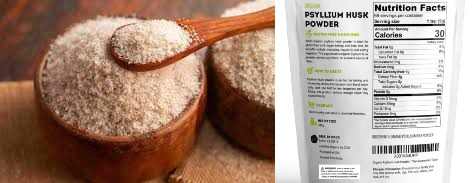
In a world where social media is prevalent, individuals actively seek information on various topics. Many topics come into trend, and recently one of the most viral topics among people is the psyllium husk cancer warning. You may want to investigate this alarming claim and find out how this common dietary fiber could pose a danger. Psyllium is a well-known fiber supplement used for improving overall health and is even good for weight management. So why this sudden concern? If you read the labels, you may see a cancer warning mentioned in it. Many people become curious after reading the label and associating it with cancer.
In this article we will look into the topic deeply. What is psyllium, what are its benefits, and what are the alarming ingredients in it? Is psyllium husk really safe to use every day? Should you avoid brands with the cancer warning label? Whether psyllium husk actually causes cancer. So let’s start.
What Exactly Is Psyllium Husk?
Before moving forward to the real concern about psyllium husk and cancer, let’s first look at what psyllium is. It is a natural and plant-based soluble fiber design from the outer shell of the Plantago ovata seed. It is used in fiber supplements, detox drinks, smoothies, weight loss programs, and digestive health routines. The main reason for its use is its water-absorbing properties and conversion into a gel-like substance.
People who have irregular bowel movements find psyllium husk helpful in improving them. Psyllium also helps in reducing constipation, lowering cholesterol, improving heart health, and even promoting weight loss. Psyllium is one of the most researched fibers in the world of diet. It is also approved by the FDA for its digestive and cholesterol benefits.
Why Are So Many People Questioning Psyllium Husk Now?
Since it is approved by the FDA, it means psyllium is completely safe to consume. In fact, people have been using it for many years, but recently the trending topic based on psyllium has raised many questions among people. People start panicking when they see the topic “Psyllium Husk Cancer Warning” trending on all popular social media platforms like TikTok, Instagram, Reddit threads, Facebook health groups, blogs, and news articles.
Many people start assuming maybe the whole product line of psyllium is dangerous for their health, as the product also has a cancer warning on the label. This misunderstanding spread fast like flames, which leads to fear; however, there is no scientific proof or evidence that supports this ongoing viral claim.
The label warning on the psyllium products is: This product may expose you to chemicals known to the State of California to cause cancer or Prop 65 Warning. This doesn’t mean if you use this you will face cancer, but it’s California’s Prop 65 laws that put this on the label of many natural products strictly, like on protein powders, teas, and even ceramic mugs, which contain lead. This law requires warning labels even if there is no harm in using products.
Some less expensive brands source this fiber from regions where there is poor soil regulation, which means they use higher levels of heavy metals, lower purity psyllium, and poor cleaning or refining processes, but this doesn’t mean psyllium can cause health issues like cancer; it simply highlights the need to buy high-quality, lab-tested products.
Everything you see on social media doesn’t mean it’s 100% true; many influencers or even health articles can share incomplete information or misread the Prop 65 label. Misunderstanding the warning on the label means danger. They spread false information without even going into the details. Many people think the product has lead, so it can cause cancer; in reality, research says the opposite.
Because the product is easily absorbed by water, it becomes thick and has a gel-like consistency with a mild earthy smell. All these are good qualities of a product, but sometimes people think the product isn’t pure or contains harmful chemicals, which may lead to cancer, especially for the new consumers.
So, Why Are People Worried?
In short, people are worried because there is a misleading trend going on; they just see the label of a cancer warning, they fear to use psyllium products, and there is confusion over natural products containing trace minerals.
The Reality
Psyllium is a soluble fiber used by many people for years; it is completely safe and considered the most beneficial natural fiber approved by the FDA. The topic of psyllium causing cancer is completely misleading and creates misunderstanding among people without any scientific proof.
Does Psyllium Husk Have a Real Cancer Risk?
No, psyllium husk doesn’t cause cancer. In fact, you may be surprised to hear this: psyllium does the opposite of this, as it reduces the risk of cancer, especially colon cancer, according to the research. People are just confused by the label warning, not from the product itself. Let’s break down the facts clearly and in detail.
1. No Scientific Evidence Links Psyllium to Cancer
There are thousands of scientific studies, including those reviewed by the U.S. Food and Drug Administration (FDA), that confirm that psyllium is completely safe to consume for a long time; in fact, it is beneficial for colon health. This product has been allowed by the FDA to be marked as good for heart health because it helps in reducing cholesterol. The world knows health authorities like the FDA would never permit a product if it has any cancer risk.
Also there is no evidence on psyllium husk causing cancer from the World Health Organization (WHO), National Institutes of Health (NIH), or American Cancer Society (ACS).
2. Psyllium May Actually Protect Against Colon Cancer
The online claim about psyllium causing cancer is completely wrong; in fact, psyllium does the opposite—it reduces the risk of cancer, especially colon cancer, as it improves bowel regularity by preventing waste from staying in the colon for long. Psyllium also reduces inflammation as it supports gut bacteria. Taking psyllium can reduce constipation,, which is a main factor of colorectal problems. According to many studies, people who take psyllium find a lower risk of colon-related diseases.
3. Why the Misinformation Exists
Many people go and start reading the label that truly displays a cancer warning when the matter goes viral, which leads to misconceptions. In actuality, the majority of California-made goods adhere to stringent regulations. According to the strict California Prop 65 labeling laws, the products that contain trace amounts of lead naturally found in soil should have the warning labels on them. This warning isn’t only applied to psyllium but also to thousands of other natural products like spices, tea, and protein powders, even when the lead amount is far below harmful levels. It is a part of the law; it doesn’t mean the product can cause cancer.
4. Psyllium Has Been Used Safely for Generations
If you want to see a product that has been a part of many people’s lives for generations, then have a look at psyllium fiber. People have been using it for hundreds of years as a natural digestive remedy; even today people are still using it in their daily routine and even in products like fiber supplements (Metamucil, Konsyl, and generic brands), detox drinks, weight-loss shakes, baked goods, and gut health supplements.
If the product had any link with cancer, people would notice or report to the FDA, or there would be scientific studies on it now, but there is no proof on this topic, so this product is still safe and recommended by many gastroenterologists, nutritionists, and primary care physicians.
5. The Real Risks Have Nothing to Do With Cancer
While it is completely safe and approved by the FDA, psyllium does have some side effects like bloating, gas, and temporary stomach discomfort. These side effects can take place if you don’t stay hydrated or take too much psyllium at once. But none of these side effects have any link with the cancer.
6. High-Quality Psyllium Products Eliminate Safety Concerns
Some health-conscious people who avoid lead-based products go for options like organic psyllium husk, brands that are third-party lab tested, certified by NSF, USP, or GMP, or even companies that publish heavy metal test results.
How the Psyllium Husk Cancer Warning Became an Online Trend?
The psyllium husk cancer warning has been a trending topic among many people nowadays. From social media platforms and forums, people start discussing that they notice and read cancer warnings on various products, especially psyllium supplements and fiber powders, which have this warning on the label. Without any proof, people start assuming psyllium is dangerous and has a link with cancer, and it should be banned.
But in reality this warning to just follow a strict law comes from California’s Proposition 65 label, which is placed on thousands of everyday products like ceramic mugs and protein powders. Those labels don’t mean a product is linked to cancer, but they indicate the product has chemicals and lead, which isn’t harmful. Many manufacturing companies have to put the warning on the label just to follow the law.
Why Is There a “Cancer Warning” on Some Psyllium Husk Products?
The warning labels on psyllium products don’t indicate it can cause cancer. The warning is about the possible existence of lead traces found in low-quality or non-certified psyllium products. Since psyllium grows in the ground, the plant absorbs all the minerals from the soil; however, in some regions, the soil may contain a small amount of a metal known as lead. This amount is very tiny and has no harm when it comes to human health, but California law has strict rules to put labels on such items that contain lead, so they ask companies to put warning labels so the product can be detectable.
In some cases the traces come from other different areas, like from equipment, packaging materials, and storage conditions. Many well-known brands do tests to detect heavy metals and contaminants to make sure the product is safe to consume, but they still need to put the warning label as per California law.
Lastly, in order to minimize concerns about the trace contaminants, go for the brands that are organic or certified. Look for the third-party lab-tested brands. Stay away from the dealers that provide low-quality bulk powders from unknown sources.
How Common Is Lead in Psyllium Husk?
The traces of lead in psyllium are a concern that takes place in different forum discussions, especially when people notice the Psyllium Husk Cancer Warning on labels of many products. However, in reality, lead isn’t intentionally added to psyllium, nor is it found in high amounts that can be dangerous to health. The lead in psyllium comes from soil because the plant absorbs minerals and other elements from soil that includes lead. To understand more, let’s discuss more about leads in detail.
1. Lead Occurs Naturally in Soil
As the psyllium plant grows in the ground like other crops such as spinach, herbs, teas, and spices, it absorbs all the minerals and trace elements from the soil naturally; this includes lead, arsenic, cadmium, and other soil-based minerals. This element can be found in many natural products, not only just in psyllium. In many products the amount of these traces is very low and not considered harmful when it comes to human health. A plant like psyllium when absorb such mineral and traces can be easily detected.
2. Lead Levels Vary by Region
The place where the psyllium plant grows matters, as it will help to understand the amount of trace lead it contains. The plant is mostly found in Asian countries such as India and Pakistan. Some agricultural regions have a high amount of metal naturally coming from the soil where the climate changes. It also depends on farming conditions, soil quality, and local environmental exposure. Additionally, the producer of psyllium tests the plant on a daily basis to make sure the lead level is low and safe.
3. Most Psyllium Husk Contains Lead at Levels Far Below Harmful Limits
Usually the amount of lead present in the plant is about less than 0.5 to 1 microgram per serving. This range is far below FDA daily lead limits. It is also low as compared to what’s found in some popular teas, cacao, spinach, and spices.
4. Prop 65 Makes Trace Lead Look Scary
According to the law, California’s Proposition 65 requires a warning label on a product that contains more than 0.5 micrograms of lead a day. This amount is still low as the lead in other natural food items. This amount is safe and doesn’t have any link with cancer. It is compulsory to add the label on every product just to save themselves from a lawsuit.
5. High-Quality Psyllium Brands Keep Lead Levels Minimal
Brands that provide high-quality psyllium fiber reduce the risk of lead contamination, as they use quality soil, do regular heavy metal testing, and focus on clean husks. They also provide Certificates of Analysis (COA) and follow other GMP manufacturing standards. These companies try to reduce the lead level as much as they can to make sure the product is completely safe for the world.
Is the Lead Level Dangerous? Real Risks
After looking at the cancer warning, people also read about the trace lead found in some psyllium husk products and think it may be harmful for them. However, the level of lead in the products is very low. Let’s understand the real risks and how it compares to everyday exposures.
Lead is a very heavy metal, and at high levels it can cause some serious health concerns like neurological problems, kidney damage, reproductive issues, high blood pressure, and heart problems. People who have chronic and high-level exposure can face those health concerns.
Many tests and studies conducted on psyllium husk show that the lead content in the product is from 0.5 to 1 microgram per serving. According to the California law Prop 65, the daily limit of lead you can take in a day is 0.5 µg. According to the FDA, the level of lead found in psyllium is completely safe to consume and doesn’t have any effect when it comes to human health.
Other natural food items contain more lead as compared to psyllium-like spinach, which contains 1–2 µg per serving; chocolate contains 0.5–1 µg per serving, and herbal tea contains 0.5–1 µg per cup. Additionally, if you take psyllium on a daily basis, the exposure to lead is much less and less harmful.
Lead exposure can have negative consequences on some people, including pregnant women, because it can impact fetal development when it crosses the placenta. Since their neurological systems are more vulnerable to heavy metals, children under the age of six should stay away from lead. Lastly, people who have kidney disease can face side effects when their body interacts with lead because it can reduce the ability to eliminate toxins from the body.
Because psyllium contains very little lead, there is very little chance of lead-related side effects. However, when your body comes into contact with high levels of lead, it can cause symptoms like weakness, fatigue, nausea, abdominal pain, high blood pressure, and cognitive problems in children.
The risk from lead interaction is very low, but you can minimize it further by buying organic or third-party-tested psyllium husk. Follow the recommended intake of the product, like 1–2 tablespoons daily. Stay hydrated and avoid bulk, low-quality powders from unverified suppliers. By following these tips, your chances with lead exposure become zero.
Does Psyllium Husk Reduce Cancer Risk Instead of Raising It?
Yes, it is the answer! The investigation indicates that the web allegation of a psyllium husk cancer warning is entirely false. Psyllium husk may actually help reduce certain cancer risks, especially colon cancer. Psyllium is considered one of the most popular dietary fibers that not only supports overall health, including gut health, but is also good for the digestive system.
As we discussed earlier, psyllium is a soluble fiber that can be easily absorbed by water and change into a gel-like substance, which speeds up stool transit, meaning psyllium doesn’t let the waste stay in the colon.
Psyllium also helps in other digestive concerns, as it improves bowel movement and reduces constipation. It also removes harmful substances as they irritate the colon lining. Regular bowel movement plays an important role when it comes to colon cancer, and psyllium helps in preventing cancer by regulating bowel movement.
The gut microbiome plays an important role in preventing colon cancer. Psyllium husk works as a prebiotic, which feeds beneficial bacteria and increases short-chain fatty acid (SCFA) production, which has anti-cancer properties. Psyllium also helps in balancing gut pH, which prevents the growth of tumors and leads to lowering cancer risk.
According to different studies psyllium also have another health benefits like it improve metabolic health, Reduces cholesterol and blood sugar. It also Promotes healthy weight management.
Evidence From Scientific Studies
There are several studies and research that prove psyllium can reduce the risk of cancer. According to epidemiological research, a diet that is high in fiber can lead to lower cancer risk, especially colon cancer.
According to the animal studies, psyllium can reduce the forming of tumors in the colon just by supporting gut health.
The clinical trials indicate psyllium helps in improving the consistency of stool, lowering inflammation, and supporting healthy gut microbiota. All these elements have a direct link in reducing colon cancer.
According to the 2020 American Cancer Society guideline, dietary fiber that comes naturally from plant food items like legumes, whole grains, fruits, vegetables, nuts, and seeds can reduce the risk of colorectal cancer because dietary fiber removes bacteria in the gut, which have a direct link with colon cancer.
According to a 1998 study, psyllium fiber contains colon cells known as colonocytes; these cells work as a protection from deoxycholic acid-induced lysis, which is a main reason for colon cancer.
According to a 1993 animal study, the combination of wheat bran and psyllium can lead to protection against colon cancer. The best results came from a 50:50 mix of the two fibers.
According to a 1987 study, psyllium reduces the risk of colon tumors in rats that were exposed to cancer-causing chemicals.
According to a recent study published by PubMed. The soluble natural fiber like psyllium is associated with reducing the risk of many cancers like colon, rectal, esophageal, gastric, breast, endometrial, ovarian, prostate, pancreatic, etc.
Why Are Some Psyllium Husk Products Considered Unsafe?
Although psyllium fiber is safe for daily use and approved by the FDA, not all products are the same in nature. There are some factors that make those products less safe and low in quantity, which may trigger warnings like the Psyllium Husk Cancer Warning.
Psyllium plants grow in the ground, and they absorb all the minerals and traces from the soil, which may include heavy metals like lead, arsenic, and cadmium. All these metals are natural parts of soil and have no health issues as they are in low exposure; however, some poor-quality sourcing or untested soil can increase exposure. Products that grow in soil can have lead and other metals in them; that’s why they are labeled with warnings.
Some manufacturers do low-quality manufacturing, like using equipment that is not clean, skipping metal testing, and allowing cross-contamination with other substances. They don’t follow strict protocols, which leads to an impure product definitely not recommended for daily use.
In low-quality brands, some manufacturers don’t leave the psyllium alone; they add other fillers, starches, or artificial fiber to it, which reduces the product effectiveness and causes gastrointestinal discomfort. It also increases the risk of chemicals and toxins.
Cheap psyllium companies don’t pay attention to packaging and storage, which leads to moisture exposure, mold growth, and bacterial contamination.
Psyllium is completely safe if you take it in moderation, as overuse and improper intake lead to some side effects like bloating, gas, constipation, intestinal blockage, and rare allergic reactions.
How to Choose a Safe Psyllium Husk Brand?
Not all psyllium husk products are created equal. While the fiber itself is naturally safe and beneficial, some brands may carry trace contaminants or impurities, which is why certain products display a psyllium husk cancer warning. To get the health benefits without unnecessary risk, it’s important to know how to pick a safe and high-quality psyllium husk brand.
The most common and reliable way to make sure a product is safe is to first check the Certificate of Analysis (CoA); it shows the level of metals like lead, arsenic, and cadmium. Batch-specific testing, which ensures every shipment meets safety standards. Look for certifications like NSF or USP. Always remember brands that share information about lab results are reliable when it comes to buying a good product.
The second thing you can do is check quality certificates like USDA Organic, GMP (Good Manufacturing Practices), and ISO 22000 or HACCP. You can also look for some optional certificates, such as Kosher, Halal, or Non-GMO certifications. Brands that include any certificate from the above are completely safe and reliable.
Many well-known and popular brands provide details on product specifications like the purity percentage, moisture or ash content, heavy metal content, and microbial testing. All these details assure you the product is safe to consume.
Always go for the product that comes from high-quality farms and certified manufacturing facilities. Avoid psyllium that didn’t go through heavy metal testing.
While buying psyllium, make sure it’s completely sealed and airtight. Keep it away from moisture, as it will save the product from getting mold. Try to read the expiry or best-before date on the label before buying. Always store in a cool, dry place to maintain quality and prevent spoilage.
Since the psyllium plant grows in the ground and absorbs everything from the soil, it can sometimes absorb microbes if not handled correctly. Look for the safe brand testing for total plate count, yeast, and pathogens like Salmonella or E. coli.
Remember moderation is the key; don’t overdo it. Take the recommended dosage, like 1 to 2 tablespoons per day. Stay hydrated by drinking plenty of water, and if you are pregnant or want to give psyllium to your kid, make sure to consult with the doctor first.
Always buy psyllium from reputable sources and brands. Avoid low-cost bulk powders without quality information.
How to Safely Add Psyllium to Your Diet?
Psyllium husk is a natural and soluble fiber best known for its properties like improving digestion, heart health, and managing blood sugar and cholesterol levels. To get all these benefits, you have to use the product properly.
Start with small
If you are someone who is new to psyllium, start slowly by taking a small dose of ½ teaspoon in a day, as it will increase fiber suddenly and can lead to bloating, gas, or cramping. You can increase from this limit after some time.
Mix with a good amount of water
As we all know, psyllium can easily dissolve in water, so try to mix it in at least 1 full glass (8 oz) of water or juice because if you take it with less water, it can cause choking and intestinal blockage. Always follow the manufacturer’s instructions for liquid volume.
Stick to the recommended dose
The average recommended dose of psyllium is 1 to 2 tablespoons a day for adults. You can take this quantity in 2 servings. Make sure not to increase the amount to save yourself from digestive discomfort.
Certain medication
If you are on certain medication, make sure to take psyllium 1 to 2 hours before or after the medication. If you have health issues like diabetes, high blood pressure, or high cholesterol, first consult with your doctor before taking any supplement or fiber.
Correct timing
To get the best results, try to take psyllium before meals or after the meals, as it will improve digestion and reduce cholesterol absorption. Choose timing according to your preference, but stay consistent.
See how your body reacts
If you are new to psyllium, then notice how your body reacts to it. If you face any side effects like bloating or gas, mild cramping, Rarely, allergic reactions (itching, rash, or difficulty breathing) occur; if so, stop taking it and consult your doctor.
Best results
For better results try to pair psyllium with a balanced diet that includes food items like fruits, vegetables, and whole grains. Stay hydrated and do regular exercises to improve bowel movement.
Also Read: Neuro Gum Side Effects: What You Should Know Before Chewing It
Who Needs to Be Careful With Psyllium Husk?
If you’re someone who has difficulty swallowing or has a narrow esophagus, then taking psyllium can lead to choking and blockage, so it’s better to avoid taking it dry or take psyllium with plenty of water, (like 8 oz per serving.
People who have certain digestive conditions like Irritable Bowel Syndrome (IBS), Inflammatory Bowel Disease, and constipation prone to blockages should be careful while taking psyllium, as it will make these conditions worse. Try to take it in small doses.
If you are taking certain medications like blood sugar-lowering drugs, cholesterol-lowering drugs, or heart medication, then try to take psyllium before medications.
Some people face allergic reactions like rash, itching, and difficulty breathing. If any allergic reaction occurs, stop use immediately and seek medical attention.
Top Health Benefits of Psyllium Husk
Psyllium husk has many health benefits, so let’s look into details.
1. Supports Digestive Health
Psyllium is most popular for its property of regulating bowel movement, as it absorbs water in seconds and forms a gel-like substance, which softens the stool and reduces constipation. Psyllium also eases digestive issues like diarrhea and helps in maintaining overall gut motility, which leads to less bloating and discomfort.
2. Helps Lower Cholesterol Levels
Many studies and research suggest that psyllium supports heart health by binding with bile acids, resulting in removing cholesterol from the body. Psyllium also reduces LDL (bad cholesterol) and increases HDL (good cholesterol). It also reduces cardiovascular risk.
3. Assists in Blood Sugar Management
Psyllium also helps in regulating blood sugar levels, which is especially good for the people who have diabetes, as it slows down sugar absorption, keeps the blood sugar level stabilized, and supports better glycemic control as part of a balanced diet. You can say psyllium is diabetes-friendly.
4. Promotes Weight Management
Psyllium also promotes weight management because of its fiber-rich, gel-forming properties that increase satiety and slow digestion, leading to the feeling of fullness, resulting in less hunger and reduced snacking.
5. Supports Colon and Gut Health
Psyllium works as a prebiotic by feeding beneficial gut bacteria, which leads to the production of short-chain fatty acids like butyrate, and these acids fight with colon cancer cells. Psyllium also supports gut health.
6. Help With Heart and Metabolic Health
If you consume psyllium regularly in a moderate and recommended amount, it can lead to lower triglycerides, reduced blood pressure in some individuals, and improved metabolic health markers.
Best Alternatives to Psyllium Husk
Psyllium is completely safe to consume; however, for some people who can’t tolerate psyllium due to allergies, digestive sensitivities, or taste preferences, here are some alternatives.
1. Flaxseeds: They are rich in both soluble and insoluble fiber, which leads to better digestion and supports heart health. Flaxseed also contains omega-3 fatty acids, which help in reducing inflammation.
2. Chia Seeds: It is also rich in soluble fiber and can completely turn into a gel-like consistency, the same as psyllium. Chia seed supports satiety and weight management. It promotes better digestion and provides antioxidants, calcium, and omega-3s, which are good for overall health.
3. Acacia Fiber: It is a natural gum that comes from the Acacia tree. It is also a soluble fiber and very gentle on the stomach, best for people who have sensitive stomachs. It also helps in keeping blood sugar levels stabilized and controlling cholesterol.
4. Glucomannan: Another best alternative to psyllium, known for its water-absorbing properties. It expands in the stomach, leading to weight loss and fullness.
5. Oat Bran: It is also rich in soluble fiber called beta-gluten, which is beneficial for both digestion and heart health, as it helps in reducing LDL cholesterol, supports healthy gut function, and helps in stabilizing blood sugar levels.
Psyllium Cancer Warning: Myths vs. Reality
Psyllium husk is a very popular fiber supplement; however, the recent topic that catches everyone’s attention is The psyllium husk cancer warning has created panic and confusion. Let’s look at the myths.
Myth 1: Psyllium Husk Causes Cancer
There is no scientific evidence that psyllium husk causes cancer; however, the warning is linked to the traces of lead found in the product, which is also in very low exposure. Psyllium is completely safe if you take it in moderate doses. According to the research, psyllium helps in reducing colon cancer risk, as it promotes bowel movement and supports gut health.
Myth 2: All Psyllium Products Contain Dangerous Lead
Some products of psyllium have warnings on the label because they contain lead; however, the exposure is extremely low and not harmful for human health. Lead is a metal that is naturally absorbed from soil like other minerals in small amounts. Popular brands do heavy metal tests to make sure the product is safe. The presence of trace lead does not make the fiber itself carcinogenic.
Myth 3: The Cancer Warning Means the Product Is Unsafe
The warning on the label of the product is just based on the presence of lead according to the legal requirements of California law; it didn’t indicate cancer risk.
Myth 4: You Should Stop Taking Psyllium Because of the Warning
Psyllium is safe for most of the people; it has many benefits. If you consume it in a recommended dose with plenty of water, it can give digestive support, cholesterol reduction, blood sugar management, and protection from colon cancer.
Myth 5: Organic or Imported Psyllium Is Always Safer
Organic or foreign-sourced psyllium all have the same amount of lead because it comes from soil absorbed naturally. Many companies do testing and focus on better packaging, which makes sure the product is completely safe to use.
Also Read: MCT Oil Side Effects: What You Should Know Before Using It
Does Psyllium Husk Increase Cancer Risk if Taken Daily for Years?
The answer is no; there is no proof or scientific research that taking psyllium husk increases cancer risk if taken daily for years. The topic circulating on social media about psyllium cancer is just because of the label on the product, which is focused on trace amounts of lead, not on cancer. You can use psyllium daily at a recommended dose of 1 to 2 teaspoons in a day with plenty of water. Always choose certified and lab-tested brands to make sure of the levels of lead over long-term use.
Is Psyllium Safe for People With a History of Colon Cancer?
Psyllium is completely safe and good for the people who especially have a history of colon cancer, but caution is advised. Taking psyllium with a balanced diet can lower the risk of colorectal cancer. It helps in promoting regulation of bowel movement, which leads to removing toxins from the colon. If you are someone who has strictures, bowel obstructions, or other digestive complications, always consult your doctor before including psyllium in your diet. Additionally, if you are new to psyllium, start with a small dose and increase the dose with time.
Psyllium Husk Cancer Warning: FAQs
1. What is the psyllium husk cancer warning?
The label on the psyllium is found in many other products because of exposure to lead, not because psyllium itself causes cancer.
2. Does psyllium husk cause cancer?
No, psyllium is completely safe and good when it comes to helping; in fact, it supports colon health and reduces the risk of cancer.
3. Why do some psyllium products have a cancer warning?
Some brands that have natural fiber products, which generally have less in them, have to follow a strict law known as California Prop 65. The law makes sure to put warning labels on those who have any detectable lead, even in a low exposure.
4. Can I safely take psyllium daily?
Yes, you can easily consume psyllium on a daily basis just by following the recommended dose of 1–2 tablespoons per day with plenty of water.
5. Is organic psyllium husk free from cancer risk?
Not necessarily, because lead can occur naturally in soil, even in organic products.
6. Can psyllium reduce cancer risk?
Yes, because it supports regular bowel movement and gut health, which indirectly lowers the risk of colon cancer.
7. Who should be cautious using psyllium?
If you are someone who faces difficulty in swallowing, bowel obstructions, or certain digestive disorders, then make sure to first consult with the doctor.
8. Does long-term use increase cancer risk?
No, there is no risk of using psyllium for a long term if you take a proper and moderate dose.
9. Is psyllium safe for colon cancer survivors?
Yes, it is completely safe; however, it’s best to consult your doctor first before you include psyllium in your diet.
10. How can I choose a safe psyllium husk brand?
Go for the reputed and trusted brand. Look for third-party testing, certifications (GMP/ISO), and batch-specific lab results to ensure minimal heavy metals.
Conclusion
The trending topic on social media Psyllium Husk Cancer Warning May cause unnecessary and stressful concerns among many users of psyllium products, but there is no research on it. In fact, in reality, it’s completely opposite. Psyllium helps in reducing the risk of cancer, especially the colon one. The warning on the label is not about the cancer, but it is more about following a law. According to California law, many products that include lead have to put a warning label on the product. This warning is not only found on psyllium but also on many other natural products.
Always go for high-quality, lab-tested psyllium husk, as it is safe to consume and has many health benefits like better digestion and regular bowel movements. It also supports cholesterol, blood sugar management, and gut health. To maximize these benefits, make sure to take psyllium in a recommended amount with plenty of water. Lastly, I would say don’t believe everything you read or see on social media without looking deeply at the facts.
Medical Disclaimer
This article is just for informational purposes only and should not be considered medical advice. Always consult with a healthcare professional before making any changes to your diet, exercise routine, or healthcare plan.