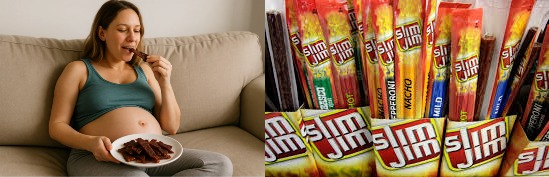
When you are pregnant, it changes everything in your life, starting from your sleeping schedule to the food. In pregnancy you crave different things, especially the savory snack; it always sounds satisfying. One of the most popular snacks among pregnant women is known as Slim Jim; however, the question always comes to mind: can pregnant women eat Slim Jims safely? The answer is no! It’s not recommended, although if you are eating it occasionally, it’s completely safe. As a pregnant woman, it’s important to understand the ingredients, side effects, and safer alternatives before consuming it in a large amount.
In this guide, I will explain everything, starting from understanding Slim Jims, side effects, risks, real user reviews, and healthy alternatives you can eat safely.
What Exactly Are Slim Jims?
Slim Jims are sticks made from processed and cured meat that mainly comes from beef, pork, and chicken. The making of slim jims includes heavy seasoning and drying to make their shelf life long for months. They are smoky in taste, which comes from spices as well as liquid smoke flavoring.
In summary, Slim Jim ingredients include beef, pork, and chicken; corn syrup; dextrose; sodium nitrite and sodium erythorbate; hydrolyzed soy protein; spices; and artificial flavors. All these ingredients make Slim Jims tasty; however, Slim Jims are high in sodium, nitrates, and other artificial flavors that are not suitable for pregnant women because during pregnancy you become weak, as does your immune system. It means you can easily get bacterial infections or toxins found in processed meats like Slim Jims.
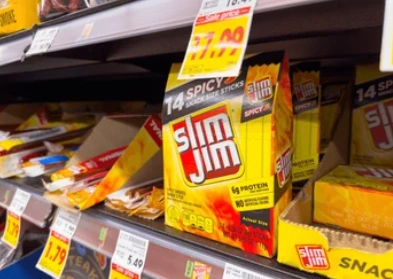
What Happens If You Eat Slim Jims While Pregnant?
If you have already eaten one, then don’t worry; you can eat Slim Jims occasionally when you are pregnant. Make sure the packet is completely sealed and properly stored, as it will cause less or zero harm to you in pregnancy. However, if you are eating it daily and in a large amount, then it can cause some serious issues. As Slim Jims are completely processed and not freshly made, there is a risk of high sodium intake. The very common side effects you may feel include bloating, dehydration, and heartburn, whereas the long-term side effects can be digestion issues, nutrient imbalance, and gestational hypertension, so basically Slim Jims aren’t a good option in pregnancy.
Risks of Eating Slim Jims while Pregnant
Possible common risks of eating slim jims while pregnant are as follow:
Listeria
The most common concern that takes place in women’s minds, especially when eating Slim Jims in pregnancy, is Listeria monocytogenes, a harmful bacteria found in processed meats. Slim Jims may be cooked during manufacturing, but still they can become contaminated afterward because of their storage, so the risk of it affecting women’s health is 100%. The early symptoms you may feel include preterm labor, fever, muscle pain, severe neonatal infection, and even miscarriage in some cases.
Additionally, if you crave items like jerky and Slim Jims, make sure you heat them before eating, as it will kill any kind of bacteria in the meat.
High Sodium Content
As we discussed earlier, the ingredients of Slim Jims include sodium in a large amount; it’s around 500–800 mg, triple a daily intake. Slim Jims have excessive sodium, which can cause issues like swelling, high blood pressure, dehydration, and even risk of preeclampsia. When you are pregnant, doctors advise you to eat fewer salty processed food items, as they can increase swelling in your body, so If you eat Slim Jims and start getting symptoms like swelling, try to keep yourself hydrated and do consult your doctor.
Sodium Nitrates, Nitrites, and Preservatives
The production of Slim Jims completely relies on sodium nitrite and nitrate to keep flavor and color preserved for a long time. These sodium do help in preventing bacteria, but they become harmful when you eat Slim Jims in a high quantity. If you consume food items like Slim Jims that include sodium nitrite regularly, it can lead to severe issues like neural tube defects in babies, reduced fetal growth, and oxygen delivery issues in the blood. It’s not necessary that Slim Jim surely caused these issues in your case, but you have to be careful when it’s about pregnancy. It’s safe to limit intake of Slim Jims and any other processed food items while you are expecting.
Nutritional value gets limited
Slim Jims isn’t full of nutrients like vitamins, fiber, iron, and fats; however, it includes 6 grams of protein, which can’t cover up the other nutrients. When you are pregnant, it’s advisable to eat those items that provide you nutrition rather than food items based on calories and salt, so instead of eating processed snacks, go for the foods that include iron, as it is good for blood cell production, and folate to avoid any kind of defects in birth.
Eat food that has omega-3 fats, as they are good for brain and eye development of the baby. Lastly, include food items that have calcium and vitamin D to provide you energy. Slim Jims don’t include any single thing I mentioned.
What Are the Possible Side Effects of Eating Slim Jims?
If you eat a single Slim Jim, then it’s completely safe, but if you eat many in a day or eat it consistently, then you may face some side effects due to the high consumption of sodium and other preservatives.
Short-term side effects of Slim Jims include bloating because of the high amount of sodium. You may experience acid reflux or heartburn because of Slim Jim’s spicy flavors. Digestive issues like mild nausea if you have a sensitive stomach and, lastly, headaches because of dehydration.
The long-term side effects of Slim Jims include high blood pressure because of sodium found in Slim Jims, increased swelling, and nutrient deficiency, as Slim Jims don’t contain any nutrition like iron and vitamins. Lastly, potential listeria exposure if the packet is not sealed.
Serious side effects of Slim Jims, which are usually rare in most of the cases, include fever, chills, body aches, or fatigue. Always consult your healthcare provider if you feel any symptoms.
Already Eaten Slim Jims While Pregnant? Here’s What to Do
If you already consume more than one Slim Jim in pregnancy, then don’t panic; I have some tips for you.
- There is a possibility you don’t face any side effects if the packet of Slim Jims is sealed completely.
- Make sure the Slim Jim packet is freshly manufactured and not expired or unsealed from somewhere.
- After eating a Slim Jim, monitor if you face any side effects; if you experience any, go to the doctor immediately.
- In order to stay hydrated and save yourself from the excessive sodium intake effect, drink a lot of water.
- Make your diet better by eating food items like bananas, avocados, and spinach, as they are rich in potassium that helps in balancing electrolytes.
- Avoid processed meat items for some days.
- Include whole food items in your diet, like fruits, veggies, and whole grains, to get full nutrition.
Best Alternatives to Slim Jims for Expecting Moms
Cravings are very normal in pregnancy; women crave many things during pregnancy, especially meat snacks like Slim Jims. However, there are always better replacements. Some alternatives to Slim Jims are as follows:
Homemade jerky: Take a lean beef, turkey, or chicken, then cook it well and store it in the refrigerator. Make sure you sealed it in the right way.
Grilled chicken strips: Add chicken strips to your diet, as they are rich in protein and very easy to make.
Hard-boiled eggs: Add eggs to your diet, as they are nutrient-dense and portable.
Roasted chickpeas or nuts: You can also enjoy a handful of roasted nuts and chickpeas, as they are rich in fiber and protein.
Low-sodium turkey jerky: Choose nitrate-free versions from trusted brands.
These options not only help you in reducing processed meat cravings during pregnancy but also provide your body enough nutrition you need on this journey.
Slim Jims vs. Healthy Jerky: A Nutritional Comparison Chart
| Nutrient (per 1 oz / 28 g serving) | Slim Jim (Original) | Healthy Jerky (Nitrate-Free / Grass-Fed / Homemade) |
|---|---|---|
| Protein | 14 g | 10–12 g |
| Sodium | 700 mg | 340–400 mg |
| Total Fat | 2 g | 1–2 g |
| Saturated Fat | 1 g | 0.5–1 g |
| Calories | 60 kcal | 70–90 kcal |
| Sugar | 1 g | 0–1 g |
| Nitrates / Preservatives | Contains sodium nitrite | None (or natural preservatives only) |
| Best For | Quick snack, high-protein craving | Clean eating, lower sodium, pregnancy-safe option |
Slim Jim offers a high amount of protein based on the size, whereas cleaner jerky gives around ~10–12 g of protein per ounce. Jerky has a moderate amount of sodium as compared to Slim Jim, which is quite high in sodium. Both are low in fats and calories; however, sometimes grass‑fed or homemade jerky have a high amount of fat and calories based on cooking method and seasoning. Slim Jim also includes a curing agent known as sodium nitrate, which people usually avoid. Cleaner jerky mostly doesn’t have it because it gets removed while cleaning based on the brand or how it’s made.
Why People Consider Jerky as a Best Choice?
People consider jerky as the best choice as compared to Slim Jims because the jerky is low in sodium content, which works best for the people who already have existing heart problems and high blood pressure issues. Jerky is also free from synthetic nitrites/nitrates, which are usually found in processed food meat items like a Slim Jim. Jerky can be easily made with just some ingredients like meat, salt, and spices rather than meat, fillers, sugars, and preservatives. It provides you a good amount of protein, which is useful for the body if you are following a high-protein diet or using jerky as a snack for fitness or cravings.
What a “Pregnancy‑Friendly / Nitrate‑Free” Jerky Serving Might Look Like
In pregnancy you can choose a truly nitrate-free and minimally processed grass-fed jerky, or you can also make one at home by just simply mixing lean meat, salt, and other spices based on your preference. A 1‑oz (28 g) serving might give ~ 10–12 g protein, ~ 340–400 mg sodium, ~ 1–2 g fat, and ~ 70–90 kcal. The sodium content is still very low if you compare it with a single-serving Slim Jim. This makes jerky a better choice, especially among people who avoid high amounts of sodium or prioritize clean eating during pregnancy.
Pregnancy Snack Guide: Check List
Before eating any snack during pregnancy, make sure you check these things:
- Is this snack low in sodium content or not? As if it’s high in sodium, you may face swelling.
- Does the snack contain natural ingredients? A lack of nutrition creates complications in pregnancy.
- Does the snack offer vitamins or minerals? because it’s very important for baby development.
- Is it freshly cooked or properly stored? As food items that are not freshly cooked can lead to foodborne illness.
Why Eating Processed Meats Can Be Dangerous During Pregnancy?
One of the major reasons why a doctor asks you to avoid processed meat during pregnancy is because processed meat may include bacteria and possibly be high in sodium content and also include chemical preservatives, which leads to severe health issues. Even if they’re properly sealed, they do contain bacteria like Listeria monocytogenes, Salmonella, and Toxoplasma gondii. While most adults usually recover and save themself from these bacteria, a pregnant woman can’t, as their immune system
became weak during pregnancy. There is a high chance of miscarriage, stillbirth, or newborn infection. It is my advice that even if you crave processed meat, go for freshly cooked meat or plant-based protein, as it will be safe and good for both the baby and your health.
Beyond Slim Jims: Other Cured Meats to Limit During Pregnancy
When it comes to pregnancy, everything you eat counts, so you become extra cautious, especially with processed and cured meats. While Slim Jim can be eaten in moderation, there are many other cured meats you should also eat in limited quantities because of high sodium content, artificial preservatives, and potential bacterial contamination. Limiting the following food items will make your pregnancy smooth and complication-free.
Cured meat items include salami, pepperoni, bologna, hot dogs, deli meats, and pastrami. All these mentioned items are high in sodium, nitrates, saturated fats, preservatives, and harmful bacteria like listeria if not heated properly or cut in an unhygienic way.
Why These Meats Are Risky During Pregnancy
- Because a high amount of sodium can trigger high blood pressure and water retention.
- The preservatives like nitrates and nitrites come from nitrosamines, which aren’t good during pregnancy.
- Processed meat items always come with the risk of Listeria bacteria, which leads to serious pregnancy complications.
- These meat items also offer less nutritional value compared to fresh or homemade protein sources.
Why Protein Cravings Happen When You’re Pregnant?
It’s very common to crave food items that are rich in protein while you are pregnant. Protein plays an important role when it comes to the development of baby-like tissues, the placenta, and the extra blood supply. The very average amount of protein you need in a day as a pregnant woman is 25 grams. When you crave protein in pregnancy, it can indicate low iron levels, dehydration, or that you are craving salty food. However, instead of eating a processed meat item like a Slim Jim, go for eggs, lentils, yogurt, nuts, or baked chicken, as these food items will help you to get enough protein and other nutrients that will be good for the baby.
Slim Jims During Pregnancy: How to Consume Them Safely
Many Women ask can I eat slim jims while pregnant? however they don’t know how to consume it safely because During different stages of pregnancy, many women experience cravings for spicy, sour, and flavorful foods. If you’re pregnant and find yourself wanting something smoky and savory, like Slim Jims, it’s generally acceptable to indulge occasionally. However, it’s important to remember that moderation is key.
Check Packaging and Reheat
You can eat Slim Jims occasionally, but make sure they’re factory sealed, recently manufactured, and properly stored in a cool place. As a safety precaution, it’s advisable to heat the meat stick until it gets hot, mostly processed meat items are heated at 165°F, this will save you from any kind of bacteria like listeria, which is usually found in processed food items. This bacterium causes complications in pregnancy.
Portion Control
Another thing you can do is portion control, like eating one stick in a gap of days or even a week. In this way you can avoid excessive sodium intake and other artificial preservatives, which might cause high blood pressure issues or bloating.
Stay hydrated
When you eat Slim Jims, make sure to get enough nutrition, which comes from fresh fruits and vegetables, and also keep yourself hydrated. If you have certain conditions like gestational hypertension or preeclampsia, then it’s best to avoid other processed meat items.
Add Other Protein items
Include protein items in your diet like boiled eggs, grilled chicken, nuts, or homemade low-sodium jerky, as these items not only reduce your craving but also help to get enough protein for your baby.
You can enjoy Slim Jims in pregnancy, but only when you handle them properly, eat them occasionally and in less quantity, and keep a nutrient-rich diet.
For Specific Safety Instructions: Detailed Guide to Reheating Processed Meats to 165°F
Most of the time processed and deli meats contain Listeria monocytogenes, a bacterium that can lead to complications during pregnancy; however, if you reheat the meat properly, like steaming, or let the meat at 165°F (74°C), it can kill harmful bacteria like listeria and make the meat safe to consume during pregnancy. Follow these step-by-step instructions for both microwave and oven methods.
1. Using a Microwave
- The first thing you need to do is place the deli meat or processed meat item on a microwave-safe plate.
- Then cover the meat with a microwave-safe lid or plastic wrap by creating a small gap in it for steaming.
- Now heat each slice of meat on high power for around 30 to 60 seconds based on meat thickness.
- Check the temperature and make sure it is 165°F (74°C) internally.
2. Using an Oven
- The first thing you need to do is preheat your oven at 350°F (175°C).
- Now place the processed meat in the oven dish.
- Cover the meat with foil to save it from drying out.
- Now heat for 10 to 15 minutes.
- To assure the temperature is 165°F(74°C), use a food thermometer.
- Serve immediately while hot.
- Make sure to avoid reheating again and again, as repeated heating sometimes increases bacteria growth instead of killing it.
Pregnancy Snack Ideas Backed by Nutrition Experts (List)
According to nutrition experts, eating a clean and balanced snack in portions every 3 to 4 hours helps in managing blood sugar and reducing cravings.
- You can combine protein and fiber to get an energy boost, like eating cheese with apple slices. Sounds crazy, right? But this is what women crave during pregnancy: weird combinations.
- Make sure you choose a snack that is low in sodium, like less than 300 mg in a single serving.
- Make sure to avoid snacks that are high in artificial additives and colors.
- Remember to stay hydrated throughout the day.
Following are list of Food items recommended by experts during pregnany.
| Snack Combination | Key Nutrient Benefits |
| Greek Yogurt Parfait | Protein (for baby’s growth), Calcium (for bone development), Probiotics (for digestion), Antioxidants (from berries). |
| Apple Slices with Nut Butter | Fiber (digestion/constipation), Vitamin C, Healthy Fats and Protein (for sustained fullness). |
| Hard-Boiled Eggs | Complete Protein, Choline (vital for baby’s brain development), Vitamin D, and Iron. |
| Whole-Grain Crackers & Hummus | Folate and Iron (from chickpeas), Fiber and Complex Carbs (for energy and regularity). |
| Avocado Toast | Folate (prevents birth defects), Healthy Monounsaturated Fats (baby’s brain development), Fiber (Use whole-grain bread). |
| Cottage Cheese with Fruit | Casein Protein (slow-digesting protein, great for bedtime), Calcium. |
| Mixed Nuts and Seeds | Protein, Fiber, Omega-3s (especially walnuts for brain health), Magnesium (helps with leg cramps). Limit portion size. |
| Frozen Grapes or Berries | Hydration, Vitamin C, Antioxidants. (Great for managing nausea). |
| Mini Quesadilla | Calcium (cheese), Fiber (whole-wheat tortilla), Protein (can add beans or lean chicken). |
| Edamame (Steamed/Roasted) | Plant-based Protein, Fiber, Iron, and Folate. |
Key Snacking Principles to follow
- Always try to pair a protein source item with a carbohydrate or fiber source item, for example, cheese with crackers rather than just crackers alone.
- Try to stay hydrated throughout the day to avoid dehydration. If you can’t drink water the whole day, go for other liquid options like milk or low-sugar electrolyte drinks.
- Include food items in your daily diet that are rich in nutrients like iron, calcium, folate, and omega-3s instead of empty calories.
- If you are eating deli meats or processed items (like turkey slices for a sandwich), then make sure to properly heat them till they get steaming hot; this will kill all the harmful bacteria like Listeria.
What Leading Health Organizations Say about Processed Meat
According to the CDC : Pregnant women and other people who have high risk need to avoid deli meats, or if they want to consume them, then make sure to reheat the meat at 165°F (74°C) or until steaming hot, as this will kill harmful bacteria like Listeria.
“If you are pregnant … avoid eating deli meat or reheat it to an internal temperature of 165 °F or until steaming hot to kill any germs.”
According to FDA: Pregnant women should avoid eating “Hot dogs, deli meats, and luncheon meats unless they’re reheated until steaming hot.
According to ACOG: Pregnant women should avoid “hot dogs, lunch meats, cold cuts (when served chilled or at room temperature)” however you can consume it by making surethey are heated to 165 °F (steaming hot).
On ACOG’s “Listeria and Pregnancy” FAQ: “Hot dogs and luncheon meats, unless they are heated until steaming hot just before serving.”
All the guidance indicates the same thing: to reheat the meat at a temperature of 165°F (74°C) because processed meat contains Listeria bacteria, which should be killed before eating by high heat. If you consume meat that contains bacteria, it can lead to pregnancy complications such as miscarriage, preterm birth, stillbirth, neonatal sepsis, or death.
Medical Perspective: Why Excessive Sodium and Nitrates Are a Concern for Fetal Health
During pregnancy, certain dietary components require careful attention because they can directly impact maternal and fetal health. High sodium and dietary nitrates/nitrites, commonly found in processed meats like Slim Jims, deli meats, and cured sausages, are two key concerns.
1. High Sodium
Excessive intake of sodium during pregnancy can increase blood pressure, which isn’t good during pregnancy because it can lead to gestational hypertension or preeclampsia, a serious condition characterized by high blood pressure and signs of organ damage (often kidneys or liver). Preeclampsia also reduces blood flow, which leads to less oxygen delivery to the fetus, resulting in preterm birth or, in severe cases, stillbirth.
According to the American College of Obstetricians and Gynecologists (ACOG), it is recommended to keep an eye on sodium intake, especially in pregnancy, because many women eat processed meat items in pregnancy as a part of cravings, and they are high in sodium.
A large cohort study in Denmark found that women with the highest sodium intake (median 3.70 g/d) had a 20% higher risk of preeclampsia and a 54% higher risk of Gestational Hypertension (GH) compared to those with the lowest intake.
2. Nitrates and Nitrites
Many manufacturing companies use chemical preservatives like nitrates and nitrites to keep the processed meat safe from bacterial growth and maintain color. Once these chemicals are digested by our body, they convert into nitrosamines, a compound that has potential toxicity. If you eat processed meat in an excessive amount, it can lead to nitrates and nitrites in the body, which may interfere with hemoglobin function by reducing the blood’s ability to carry oxygen, resulting in methemoglobinemia risk and affecting fetus growth. Many healthcare providers recommended avoiding processed meats that are high in nitrates/nitrites during pregnancy. You can still choose processed meat, but only those that are nitrate-free and minimally processed.
Studies investigating pregnant women who consume cured meats cured with sodium nitrite face the risk of pediatric brain tumors among offspring, particularly when they do not consistently use prenatal vitamins.
Real-Life Reviews from Pregnant Women Who Ate Slim Jims
Following are some positive as well as negative reviews shared by pregnant women, who eats slim jim in pregnancy.
Review 1: I had a Slim Jim early in pregnancy before realizing it wasn’t ideal. My doctor said it’s fine as long as it’s occasional and sealed. I switched to turkey jerky afterward.
Review 2: Slim Jims helped with nausea at first, but later I noticed swelling from the salt. I started packing nuts and cheese instead much better!
Review 3: I’ve eaten so many [Slim Jims] lol… I ate plenty of those while pregnant. I was fine.
Review 4: I ate one and got sick and threw it up less than an hour later, first time I threw up this whole pregnancy and I’m 19 weeks. Should I be worried?!
FAQs: Can Pregnant Women Eat Slim Jims?
Can I eat Slim Jims while pregnant?
Yes, you can eat Slim Jims in pregnancy, but remember moderation is the key. Try to eat them occasionally, but it’s best to avoid them because they are high in sodium and other preservatives.
Are Slim Jims cooked or raw?
No, Slim Jims are not raw; in fact, they are fully cooked, although bacteria can still grow if they aren’t handled with care.
What are the risks of eating Slim Jims while pregnant?
Since it’s a preserved food item, it may contain bacteria like listeria, which usually creates complications in pregnancy. Whereas on the other hand, Slim Jims are high in sodium content, which creates issues like bloating and high blood pressure in pregnant women.
Are there safer alternatives to Slim Jims?
Yes, you can replace Slim Jim with some protein items like grilled chicken, boiled eggs, roasted nuts, or homemade low-sodium jerky with some of the same flavors and reduce cravings.
What should I do if I accidentally ate a Slim Jim while pregnant?
The first thing is don’t panic, as the risk is very low if you eat just one Slim Jim; however, notice if you are having any symptoms like fever or nausea and consult your doctor.
Can one Slim Jim harm my baby?
If you just eat a single piece of Slim Jim, then don’t worry; it won’t have a serious impact on your baby. Stay hydrated and avoid processed food items for some days for safety measures.
Are Slim Jims fully cooked?
Yes, Slim Jims are pre-cooked during processing, but if you reheat them until they get hot, the chances of bacterial infection get less.
Is the sodium in Slim Jims a problem during pregnancy?
Yes, because Slim Jims contain a high amount of sodium, which leads to swelling, dehydration, and high blood pressure during pregnancy.
Conclusion: Can Pregnant Women Eat Slim Jims?
In conclusion, can pregnant women eat Slim Jims safely? Yes, if you eat it occasionally in a small amount. But should they? Probably not. The reason Slim Jims are not good during pregnancy is their high sodium content. Slim Jims don’t offer full nutrition to a pregnant woman. If you eat Slim Jims regularly, it can lead to hypertension, bloating, and bacterial infection during pregnancy. Whether you eat it or not, keeping a balanced and healthy diet is the first priority as a mother, as it will help in your baby’s growth.
In short: Slim Jims won’t ruin your pregnancy, but skipping them more often than not is the smarter, safer choice.
Also Read: Recommended Sodium Intake by Age: How Much Salt Is Too Much?
Medical Disclaimer
This article is just for informational purposes only and should not be considered medical advice. Always consult with a healthcare professional before making any changes to your diet, exercise routine, or healthcare plan.