Yes, in many cases, expired chips are completely safe to eat if there is no sign of mold, rancid smell, or moisture. The “best by” on a chips packet usually means quality, not safety. Additionally, chips are low-moisture food, so there is very little chance of food poisoning, but they can taste stale or rancid if the oils in them degrade.
Quick Safety Summary
- Safe if: chips smell normal and are crisp, dry, and mold-free.
- Unsafe if there is a rancid odor, visible mold, moisture, or a bitter taste.
- Expired chips usually means loss of quality, not safety.
- Unopened chips last longer than opened ones.
In this article we will explore everything about expired chips, Can You Eat Expired Chips Safely? from their safety, texture, color, and taste to chemical changes. Who should avoid expired chips, what food authorities say about it, and what you can do if you eat expired chips accidentally? At the end of the article, you will get the answer you are looking for.
Understanding Expiration Dates
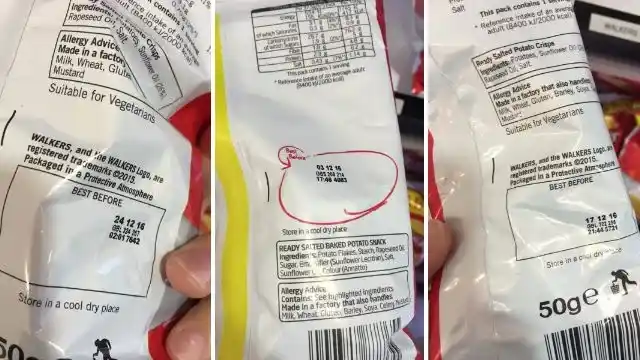
Before moving forward to the main question of whether you can eat expired chips or not, let’s first understand what the expiry date on the chips wrapper actually means. If you examine the wrapper of chips, you will notice two different terms: “best before” and “best by.” Both terms indicate the date until which the company guarantees peak quality, flavor, and texture; however, they do not necessarily signify a safety date. You may also find “Use by” on some food items; this indicates to use before the date. However, most chips don’t have this label. Another term is “sell by”; it is mostly for the buyers on how long they can display a product.
For chips there is only one written word, “best by”; the date is completely related to the quality, not based on safety. After this mentioned date, the chips may lose their freshness, flavor, or crunchiness but still be safe to consume if you store them properly.
What “Best By” Dates Really Mean (Food Safety Explained)
According to food safety guidelines:
- “Best by” indicates quality, not safety.
- After the best-by date, chips suddenly don’t get dangerous.
- Shelf-stable snacks like chips are among the lowest-risk foods.
Government food safety agencies clarify the expiration date on dry snack items indicates manufacturer quality, not a deadline to safety.
How to Tell If Expired Chips Are Unsafe to Eat (chart)
| Check Point | What’s Normal | Signs Chips Are Unsafe | What It Means |
|---|---|---|---|
| Smell | Neutral or lightly salty | Rancid, sour, paint-like, or chemical odor | Oils have gone bad → possible oxidation |
| Taste | Crisp, familiar flavor | Bitter, metallic, or unusually sour | Spoilage or fat rancidity (spit it out immediately) |
| Texture | Crunchy and dry | Soft, chewy, or stale | Moisture exposure → higher mold risk |
| Appearance | Even color, no spots | Dark spots, mold, greasy residue | Microbial growth or oil breakdown |
| Packaging | Sealed, no air inside | Bag is puffed, leaking, or torn | Air/bacteria exposure |
| Expiration Date | Within or just past date | Months or years past date | Quality & safety risk increases over time |
| Storage History | Cool, dry place | Stored in heat or humidity | Accelerates spoilage and rancidity |
What Happens to Chips After Expiration?
When chips expire, they undergo various changes over time. Understanding these changes can help you decide whether to eat them. The first thing that happens to chips is they go stale due to exposure to air and moisture. The main reason behind it is most of the chips are either fried or baked and have oils that can vanish with time.
When the chips bag is sealed properly, it can last for months in terms of crunch; when it isn’t sealed properly, it can absorb moisture, which makes them less crunchy, change in texture (like soft or chewy), and even slightly change in flavor. When chips get stale, it may change the taste and texture, but it doesn’t mean the chips are harmful.
The second thing that happens to chips after they get expired is chemical changes in oils, as the chips contain oils that become less with time, especially if you store them in a warm or humid place. The oxidation of oils in chips leads to a change in the smell or an unpleasant taste. Consumption of oils does cause health issues; however, in the case of chips, it is very low in risk. Because of the oils, the chips’ taste became bad, and it led to a less enjoyable eating experience.
Lastly, it’s best to observe if chips are smelling or bad in taste; if so, it’s better to avoid eating them.
Are Expired Chips Safe to Eat?
When we talk about expired products, especially chips, there are several factors it depends on, like storage conditions, packaging integrity, and how far past the expiration date the chips are. Here is a complete breakdown.
1. Expiration Dates vs. Safety
The most common thing we have to understand is many products, like snack products, have expiration dates. snacks, and dates mentioned on the packaging as the packaging’s “Best By” or “Best Before” date, which indicates the company is talking about quality more than before, more about quality instead of safety. The company assures that the chips’ taste and crunch will stay the same before this date. It doesn’t always mean chips are bad or harmful after this date.
2. Factors Affecting Safety
As we know, chips are shelf stable; however, there are several factors that can affect the safety of expired chips, as follows:
Storage Conditions
Storage conditions matter if we talk about chips. Like, if you store them in a cool, dry place away from heat, humidity, or sunlight, they can last longer, but if you put chips in heat and humidity, it can oxidize the oils, make them taste bad, and increase the risk of spoilage. Chips that are stored in a warmer environment also turn bad in flavor, change smell, or even get mold.
Packaging Integrity
You may notice every chips manufacturer sells them in airtight bags to protect them from outside air and moisture. When you open a bag, the chips come into contact with air, which accelerates oil oxidation and causes the chips to become stale. Additionally, Chips spoil more quickly when the packaging or seal is compromised. Most chips contain oil that oxidizes over time, which leads to a rancid smell and bitter taste. While there are no side effects of eating oxidative oil chips in small amounts, obviously having them in large amounts can cause health problems like digestive issues.
5 Signs that Expired Chips are Unsafe
While expired chips are not completely unsafe, there are some things you have to notice before consuming to save yourself from any kind of health issue.
1. Unpleasant or Rancid Smell
When you open a package and the chips smell very unpleasant or rancid, then it’s best to avoid them. The main reason behind this smell is that the oils in chips oxidize over time, especially when they get in interaction with heat or air. When chips get oxidized, it also changes the taste to sour and bitter. So when you find the chips’ smell is different as compared to other chips, it’s better to avoid them because rancid oil not only changes the smell or taste of the chips, it also reduces nutritional quality and can trigger your digestive system.
2. Visible Mold or Discoloration
If you notice the chips are turning dark or there is mold and the color of the chips changes suddenly, it means the chips are spoiled. Mold can be present on the chip as white, green, or black patches; it also grows inside the packet. This mold is bad for health and leads to certain health conditions like allergic reactions and digestive issues, so it’s better to avoid chips if they have mold.
3. Changes in Texture
When chips get stale, it can change the overall texture of the chips and make them soft, chewy, or limp instead of crunchy. However, texture alone isn’t always dangerous to health, but when chips also have an off smell, it means the chips absorb moisture, and when they absorb moisture, there is a chance of bacterial growth in them.
4. Strange or Bitter Taste
The final test is based on taste. If you notice there is a change in the chips’ taste, like they have become bitter, sour, or off in any way, then it’s better to discard them immediately because if you consume them, it can lead to digestive issues like nausea, stomach discomfort, or food poisoning.
5. Swollen or Damaged Packaging
The manufacturers of chips put them into airtight packaging to maintain their flavors and freshness for a long time; however, if the bag gets damaged or the seal breaks, it means oxidation takes place. It is advisable to never eat such chips whose packaging got broken even if the chips are looking fine.
What are the Health Risks of Eating Old Chips?
Eating expired chips occasionally is not unsafe or harmful for health; however, there are some short- and long-term health risks related to the consumption of spoiled or old chips, as follows:
Short-Term Effects
Consuming chips that smell bad because of rancid oxidation can lead to digestive issues like bloating, gas, diarrhea, or mild nausea. If you eat chips from a packet that have mold due to moisture absorption, it can lead to health issues like vomiting, stomach cramps, or diarrhea. Some people also notice they are having headaches or fatigue after consuming chips that have oxidized oils due to the free radicals affecting cellular function.
Long-Term Considerations
The first thing that happens is when chips are fried in oil, it contains polyunsaturated fats, which convert into harmful compounds when chips get oxidized. If you consume such chips regularly, it can increase oxidative stress in the body, which later affects the heart and kidneys. These fats also trigger low-grade inflammation with time if you consume the chips daily, which later leads to severe health issues like cardiovascular disease. When the chips get expired, they lose all the flavors and nutrients, like vitamins or antioxidants found in oil, and potatoes fade with time, leading to nutritional loss.
Who Should Avoid Eating Expired Chips?
Following is the list of people who should avoid expired chips in the first place without thinking about whether they are safe to consume or not.
1. Children
Number one on the list is children because they have a sensitive digestive system. When they eat such spoiled snacks, the digestive system gets triggered, leading to stomach upset or food poisoning.
2. Pregnant Women
When you are pregnant, everything you eat matters, so it’s important to pay attention to diet and especially food safety. As we discussed earlier, expired chips contain mold and even bacteria, sometimes leading to foodborne illness, which is bad in pregnancy for both mother and child.
3. Elderly Individuals
Like children, senior adults also have weak digestive and immune systems, making them easily affected by infections caused by spoiled food.
4. People with Digestive Disorders
Individuals who have sensitive digestive systems or are facing some stomach issues like IBS (Irritable Bowel Syndrome), ulcers, or acid reflux. Eating expired chips can trigger and make their condition worse.
5. Immunocompromised Individuals
People who have weak immune systems, like those who are going through chemotherapy or living with autoimmune conditions, need to avoid expired chips completely because they can lead to bacterial or mold-related infections.
Comparing Different Types of Chips
Every chip is different, as they all don’t expire at the same time. They all expired differently based on the type, preparation method, and storage.
If we talk about potato chips and tortilla chips, the potato chips are high in oils; when the oil gets oxidized, it leads to staleness. Tortilla chips, made from corn, have a lower oil content compared to potato chips. As a result, they tend to last longer even after their expiration date. However, over time, they can still go stale.
Fried chips contain a higher oil content, which increases the risk of rancidity. When fried in a significant amount of oil, the chips absorb these oils, leading to oxidation that alters their taste, resulting in a bitter flavor. On the other hand, baked chips are oil-free, which makes them last for longer even after expiring, but they can also go stale and lose crunch with time.
Homemade chips are freshly made and do not contain preservatives. However, this lack of preservatives results in a much shorter shelf life, making them more susceptible to bacterial growth if not stored properly. On the other hand, store-bought chips are full of preservatives and sealed properly, so their shelf life is extended, and they last longer even after expiring.
How Long Are Chips Good After Expiration?
| Type of Chips | Unopened – Past Expiration | Opened – Past Expiration | Why Shelf Life Varies |
|---|---|---|---|
| Potato Chips | 1–3 months | 1–2 weeks | High oil content → fats go rancid faster |
| Tortilla Chips | 2–3 months | 2–3 weeks | Lower fat than potato chips |
| Corn Chips (e.g., Fritos) | 2–4 months | 2–3 weeks | Dense texture slows moisture absorption |
| Kettle-Cooked Chips | 1–2 months | 1 week | Thicker chips but higher oil |
| Pita Chips | 3–4 months | 2–4 weeks | Baked, lower fat |
| Vegetable Chips | 1–2 months | 5–7 days | Often fried; oils spoil quickly |
| Baked Chips | 3–4 months | 2–4 weeks | Reduced oil = longer shelf life |
| Flavored / Seasoned Chips | 1–2 months | 1–2 weeks | Seasonings degrade faster |
| Organic / Preservative-Free Chips | 1 month | 5–7 days | No stabilizers → shorter life |
The Science Behind Chips Spoiling
Doesn’t matter if you have an expired packet of tortilla, baked, or fried chips; they all get stale someday because of chemical reactions, moisture exposure, and oil degradation. All you need is a complete understanding and information about expired chips.
Oxidation and Rancidity Explained
The main reason behind chips go stale is because of the oxidation since chips contains oils like vegetable, sunflower, and canola oil which reacts with oxygen over time. This can later lead to chips oxidizing those oils and getting bad in taste, like bitter, sour, or stale. When the oil breaks, it results in the development of free radicals, which have a bad effect on human health if consumed in a high amount. Oxidation of oil in chips also leads to discolouration and completely makes the chip zero in flavours.
Moisture exposure accelerates these reactions. Even a small interaction with water can cause bacteria, mold, and oil oxidation.
Role of Preservatives and Additives
To make the shelf life of chips longer, many manufacturers add preservatives and additives to them. These include:
- Antioxidants: Many chip makers add chemicals like TBHQ (tertiary butylhydroquinone) or BHA (butylated hydroxyanisole) because they slow down the oxidation process.
- Salt: Adding salt helps to reduce water interaction or cause mold and bacteria growth in chips.
- Acidity Regulators: Many flavored chips have acids that help in maintaining pH levels, which stop the growth of bacteria.
All these preservatives and additives help to extend the shelf life of chips; however, it doesn’t mean chips are immune to spoilage. After some time, these preservatives also lose their effects, leading to oxidation, staleness, or flavor changes, especially when you didn’t store the chips properly and away from hot temperatures.
Shelf-Life Studies and Experimental Data
Much research and many studies investigated the shelf life of chips, especially those that are based on potatoes and corn in different conditions.
Typical Shelf Life: The average shelf life of vacuum-sealed and nitrogen-flushed chips is 3 to 6 months, especially if you store them in a cool and dry place. However, if we talk about flavored chips, the shelf life can be more or less as it contains oils and seasoning powders, which leads to staleness after some months.
Staleness and Texture Degradation: According to the research, when chips get in interaction with humidity or hot temperature, it causes moisture, which reduces the crunch of the chips. Many people detect stale chips when the chips get interaction with air and other environmental factors like humidity.
Oil Oxidation Metrics: There are two types of value used in measuring oxidation in oils, especially when the chips are expired; the first one is peroxide, and the second is anisidine. According to the studies, the oils in expired chips get oxidized 6 to 12 months after expiry.
Storage Temperature Impact: The storage temperature matters a lot when it comes to chips. On average, if you store chips above 25°C, they may go stale fast because of oxidation, as cooler storage significantly prolongs shelf life.
Also Read: Vegetable Oil in Protein Shakes: Benefits, Risks, and Better Alternatives
Packaging Technology and Its Effect on Shelf Life
In recent years, manufacturers have placed greater emphasis on chip packaging, as it plays a crucial role in maintaining the freshness and safety of the chips over an extended period. The modern packaging helps in slowing down the oxidation in chips and saves them from moisture absorption and contamination.
Nitrogen-Flushed Bags and Oxygen Absorbers
Many chip manufacturing companies use nitrogen flushing to increase the shelf life of the chips. When they pack the chips, they add nitrogen gas in the packet and completely avoid air. This increases the shelf life of the chips because the nitrogen gas doesn’t react with the oils found in chips, which leads to slower oxidation and prevents rancidity. You may also notice a small sachet in the premium chips packaging. Those sachets are added to absorb residual oxygen in the bag, which leads to slow oxidation and increasing shelf life.
The benefits of using a nitrogen bag are that it reduces oil degradation, keeps the crunch of chips the same for a long time, and slows down the loss of flavors.
Impact of Damaged Packaging
If you are using good and advanced packaging on the chips, it also fails when the package is damaged; it can allow air and moisture to enter, leading to spoilage:
Air Exposure: When the chips bag is damaged from any corner, the oxygen enters in with the chips, and when it interacts with oxidation, it could lead to rancidity and bad flavors.
Moisture Penetration: When the packet of chips is compromised from anywhere, the chips absorb moisture, which leads to less crunch, chewiness, and a way to the development of mold.
Contamination: When the packet of chips is broken from any corner, it allows dust or insects to get into the packet, leading to severe health risks if you consume the chips.
It is advisable to always check the chips’ packaging before consuming them; look for the space or broken area even after a few weeks of expiration. If you don’t find a broken area in the packaging, then the chips are safe to consume, as they have nitrogen gas in them.
What Happens If You Eat Expired Chips Accidentally?
Eating expired chips can be safe if consumed occasionally or in small amounts; however, this also depends on the chips’ packaging, storage conditions, and the length of time they have been expired. Following are some risks you have to watch out for before consuming.
When to Be Concerned?
Change in chips’ taste or smell: While expired chips are safe to consume, they can be unsafe if oil gets oxidized into chips, leading to a bad smell or bitter taste. While a minor change in chips won’t cause health issues, consuming them in a large amount repeatedly can lead to digestive issues or a long-term heart problem.
Moisture Has Entered the Bag: Another thing is moisture. If you didn’t pack the chips properly after consuming or the package is broken from somewhere, then air can easily enter the bag later, leading to moisture, which promotes bacterial and mold growth in the packet. Avoid chips that are soft, chewy, or damp.
Mold or Discoloration Is Present: Mold growth is very dangerous for your health. If you notice mold development inside the chips package, then discard it immediately, as if you consume moldy chips, it can cause severe health issues like allergic reactions, digestive issues, and, in some cases, food poisoning.
Packaging Is Damaged: if you find the packet has holes, tears, or broken seals, then avoid it, as the chips may include air, bacteria, and moisture.
Tips to Minimize Risk if you have a Sensitive Stomach
If you eat expired chips accidentally and you have a sensitive digestive system, then don’t panic; just look at the precautions.
Check for Symptoms: After consuming expired chips, the first thing you need to do is notice how your body reacts, like if you face mild bloating, stomach discomfort, or nausea immediately. Usually these symptoms are minor and go away in some hours.
Hydrate and Rest: if you have minor symptoms that go away on their own, then the second thing you need to do is drink as much water as you can and avoid heavy meals for some hours to give your digestive system rest.
Monitor for Severe Reactions: If your symptoms get severe, like you start vomiting, have diarrhea, or have allergic reactions after consuming expired chips, then immediately go to the doctor.
Inspect Remaining Chips: Never consume the chips in the first place if they are showing a strong rancid smell, mold, or a soft texture.
When You Should NOT Eat Expired Chips
Discard chips immediately if:
- You notice any kind of mold or dark spots on corners of the chips packet.
- If the bag has a sour, oily, or chemical smell.
- When the texture of chips became moist or rubbery.
- If the chips’ taste gets bitter or metallic.
- When the packaging was damaged or swollen
Can Kids Eat Expired Chips?
Well, occasionally eating expired chips won’t cause any harm to children, but there are some conditions in which kids need to avoid it.
- Some kids are more sensitive to rancid oils.
- Avoid giving chips to your kids if there is an off smell or texture.
- Always choose freshly opened chips for toddlers.
- If you have any doubts, then throw them out.
How Expiration Affects the Nutritional Value of Chips?
The safety of chips is the primary concern; we also have to look at the nutritional content of chips because it changes with time. The expiration date on the chips usually indicated the chips lost their flavors and crunch, and the chemical changes in the chips affected the nutrients.
Oil Degradation
The making process of chips includes vegetable oils that are high in polyunsaturated fats. With time these oils get oxidized by the chips, which leads to decreasing nutritional value and development of free radicals. Chips include fatty acids like omega-6. When oil gets oxidized in chips, it reduces or even removes nutrients like omega-6, so oxidized oil isn’t only harmful for your health, but it also lowers the nutritional benefit of chips.
Loss of Flavor and Texture
After nutrition, another thing to look at is flavor and texture, as they play an important role when you consume chips. When chips get stale or soft, it can lead to overeating to overcome the reduction of crunch and taste, indirectly leading to high calorie intake, which impacts your health badly.
Degradation of Added Nutrients
Chips, especially the flavored and fortified ones, sometimes contain nutrients like vitamins, minerals, or antioxidants. However, with time these nutrients, like vitamin C and B vitamins, get lost when they get in interaction with light, as they are sensitive to oxidation. Whereas minerals stay stable, but their bioavailability gets affected by changes in oils and preservatives over time.
Calories and Macronutrients
The calories in the chips remain the same even after they expire; however, if the oils get degraded, the body may not be affected by the calories because the other nutrients, like vitamins and antioxidants, get lower.
Common Myths About Eating Expired Chips
Most people have limited information and many misconceptions when it comes to expired chips, so let’s look at some common myths related to them.
Myth 1: Expired Chips Will Always Make You Sick
This is a misconception that the expired chips make you sick quickly. The spoiled chips do cause health issues, but most chips are safe to consume even after their expiration date; you can easily consume them for days or months because the expiration date works to reduce quality and not safety. Chips with nitrogen packaging have a long shelf life even after the expired date.
Myth 2: All Expired Chips Are Stale
This is the other misconception in people’s minds: that every expired chip gets stale quickly. Well, no, they don’t, as some chips are completely sealed with nitrogen gas, so it makes the oxidation process slow, which makes the staling of chips slow. Chips can only get stale when the package is broken or stored in poor conditions.
Myth 3: Preservatives Make Expired Chips Completely Safe
While preservatives slow the oxidation process, it doesn’t mean they save chips from rancidity, moisture absorption, or mold growth. Always first check these things, like smell, taste, and appearance, before consuming expired chips.
How to Store Chips Properly?
If you store chips properly, they will be fresh for a long time and safe to consume, whether they are opened or sealed.
Unopened vs. Opened Bags
- Unopened Bags: A sealed chips package means it is safe from moisture and air. It will stay fresh for months. Many manufacturers use nitrogen-flushed bags, which slow down the oxidation that keeps the crunch and flavors the same for a long period of time.
- Opened Bags: When you open a chips bag, it can easily catch air and moisture, which leads to staleness; however, in order to keep chips fresh for a long time, all you need to do is seal the bag tightly with a rubber band or clip. If you think the bag is damaged from somewhere, then transfer chips to airtight containers.
Also Read: MCT Oil Side Effects: What You Should Know Before Using It
Temperature, Humidity, and Light Exposure
- Temperature: The important factor to keep the chips fresh is the temperature in which you keep them. Chips stay in good position if you place them in a cool and dry temperature. Avoid storing chips in hot temperatures, like near ovens, heaters, or sunlight.
- Humidity: Moisture changes the texture of chips from crunchy to soft and later leads to mold, so make sure you store the chips in dry areas and avoid storing them in places like refrigerators, where they can easily catch moisture.
- Light Exposure: When you put chips in high temperature or near the sunlight, the oils in the chips get oxidized, which later leads to rancidity that is bad for health. Make sure to put chips in airtight containers or dark cupboards away from sunlight.
Extending Freshness with Smart Storage Techniques
- Make sure to use an airtight container after opening a chips bag.
- You can also add a silica gel packet in the container so it will absorb the moisture.
- Try to store the chips bag away from sunlight or hot temperatures. zip-lock bags for portioned chips.
- Make sure to store chips in an upside-down position in the container, as it will save chips from getting air, which leads to slow oxidation, which is good for chips.
Creative Ways to Use Expired or Stale Chips
Many people think it’s better to throw away expired or stale chips because they are a complete waste, but this isn’t true. You can reuse them in many cooking tricks to add crunch, flavor, and texture to meals.
Culinary Uses: Toppings, Coatings, Recipes
You can use chips as a part of a salad as a topping, like sprinkling some amount of crushed stale chips on the salad; it will add a crunchy texture to the salad.
If you are making a casserole or mac & cheese crust, then you can use crushed chips as a replacement for breadcrumbs for a flavorful topping.
You can also use stale chips as a coating for fried items like chicken, fish, or tofu for a crunchy and salty crust.
Some people love to sprinkle crunchy things on the soup, so you can use stale chips crunched on creamy soups.
You can also use stale chips as a snack mix. By mixing it with nuts, pretzels, and popcorn.
Re-Crisping Stale Chips
People followed different methods to recrisp stale chips, like putting them on a baking sheet and then baking stale chips for 5 to 10 minutes at 150°C. Check after 5 minutes so they don’t burn; in this way the stale chips get crispy again.
Another method is to heat a dry pan and then keep it on medium heat, then add the chips and toss them for 1 to 3 minutes; they will surely get crispy.
The last method is to microwave them by placing chips on a paper towel and microwaving in short intervals (20–30 seconds); this will also make the chips go back to a crunchy texture.
Please note you can follow these methods only if your chips are mold-free, off-smelling, and visibly spoiled.
My personal experience : Eating Expired Chips
I usually grab many bags of chips when I go for groceries, and they get finished easily, but this time when we were shifting the house, a bag of chips got missed. Then after 2 months, I found it and ate it without checking the expired date. Yes, it was expired, but completely sealed, so I didn’t face any side effects. However, I noticed it was less crunchy as compared to a recent bag of chips, but the taste was the same.
This happened twice with me; another time I ate expired chips at my friend’s home, and she accidentally gave them to me. However, I noticed this time the chips were stale and soft, but I didn’t face any side effects like digestive issues after consuming them.
I think both times the chips were completely sealed and unopened; that’s why they were safe to consume even after the expiry date.
Also Read: What Goes With Dirty Rice – Top Side Dishes & Flavor Pairings
What Food Safety Experts say about Expired Chips?
According to food safety experts like the FDA (USA), they said the expiry date on chips doesn’t mean they are unsafe, but it means their quality gets lower at this date. Properly sealed or unopened chips remain safe after the expiry date.
According to EFSA (Europe), they recommend looking at expired chips—like a difference in quality, including smell, taste, and texture—before consuming expired chips.
According to food scientists, since the expired chips can have issues like rancid oils, it’s better to avoid consuming expired chips in a large amount or on a daily basis, as it will impact your health.
Many nutritionists suggest it’s better to use stale chips as a topping or as a coating in fried food items instead of directly consuming them.
According to many experts, you can consume expired chips occasionally; there is no risk. However, look for the smell and mold before consuming.
Are Expired Chips Actually Dangerous?
In most cases expired chips aren’t dangerous; however, they become tasteless or unhealthy because of fat oxidation. Since chips are made with sunflower, canola, and palm oil, with time oxygen causes oils to oxidize and leads to a rancid smell, which means flavor degrades before any safety concerns arise.
When chips get rancid, people think they become a root to food poisoning, but they rarely cause it; however, if you consume rancid chips daily, they can irritate the digestive system, so it’s better to avoid them.
Conclusion: Can You Eat Expired Chips?
Can you eat expired chips? The answer is yes, they are safe to consume; however, it depends on the storage, packaging, and sensory inspection. The best-before date on the chips is considered as an indication of quality, not safety. If you found an expired bag of chips and it is completely sealed, then it won’t affect your health. Even if you open a sealed expired chips package and then store it in an airtight container, cool temperatures and moisture control can extend chip freshness. If you don’t want to consume expired chips directly, then you can also go for reusing them in cooking as a coating or topping.
Remember to always pay attention to the taste and smell or check bags of chips for mold after they expire. By following these tips, you can enjoy your chips responsibly, avoid unnecessary waste, and even transform stale chips into something useable again.
Frequently Ask Questions by People
1. Can you eat expired chips?
Yes, expired chips are safe to consume when they are sealed or stored properly with no spoilage signs like mold or bad smell; however, they may become stale with time, but it doesn’t mean they are unsafe.
2. How long after the expiration date are chips still good?
You can easily have expired chips after 2 to 3 months of the best-before date, or even sometimes longer if you store them properly.
3. Do expired chips make you sick?
Not always expired; chips do get stale with time, but no harmful bacteria can grow in chips. However, rancid oil can cause stomach discomfort in some individuals who have sensitive stomachs.
4. How do I know if chips are too old to eat?
Look at the texture and taste; like, if they smell bad, taste bitter, or feel soggy, then throw them away; they seem completely wasted.
5. Can stale chips be made crispy again?
Yes, you can make them crispy by putting them in the oven, microwave, or even pan for some minutes.
6. Do sealed chips last longer than opened ones?
Yes, obviously an unopened bag of chips stays fresh longer for months even after the expiry date, while an open bag stays fresh for 5 to 7 days.
7. Why do chips expire so quickly?
The making of chips includes oils like vegetable oil and canola oil, so when the oil gets oxidized in chips with time, it can turn rancid, which leads to soft and stale chips, especially when exposed to air, humidity, and light.
8. Is the expiration date on chips an actual safety date?
Not the best Before, the date on the chips indicated the quality of it, like taste and texture, not safety.
9. Can you eat expired baked chips?
Yes, you can consume them, but remember they can go stale fast because of low fat content.
10. How should I store chips to make them last longer?
Make sure to avoid sunlight exposure and store them in a cool, dry place. If you opened a packet, store it in an airtight container or seal it tightly with a clip to avoid moisture and air entering the bag.
11. Can expired chips cause food poisoning?
Well, it is very rare to get food poisoning after eating stale or expired chips because chips are low-moisture foods, which means bacterial growth won’t occur; however, most issues are related to taste, not illness.
12. How far past the expiration date can you eat chips?
Unopened expired chips may stay edible from 1 to 3 months after they pass their best-by date if stored properly.
13. Are stale chips unsafe?
No stale chips are safe to consume; however, they may change taste and texture, but if you notice a rancid smell, then don’t eat them.
14. Do flavored chips expire faster?
Yes, because seasonings and dairy-based flavors degrade faster than plain salted chips.
15. Is it safe to eat expired chips if they taste fine?
Yes, they are completely safe to eat if they smell normal, taste normal, and have normal texture.
Medical Disclaimer
This article is just for informational purposes only and should not be considered medical advice. Always consult with a healthcare professional before making any changes to your diet, exercise routine, or healthcare plan.