Electrolyte drinks are a part of everyone’s life nowadays; people prefer them more to other sugary sports beverages. LMNT is getting popular nowadays among health-conscious consumers and athletes as they look for something that’s clean and smart and provides them hydration.
If you follow influencers or athletes, then you might notice they drink a colorful product called LMNT, or you may have tried it too. LMNT is full of hydration and has zero sugar; it provides you electrolytes that can be lost during sweating, dieting, or fasting. However, the real question always arises in people’s minds: is LMNT good for you? Or it’s just another viral trend with a marketing strategy.
In this article we will talk in detail about LMNT drink. What is it? Including its ingredients, benefits, and risks. What does science say about it, and what experience do people have with it? So in the end you will understand whether this drink is good for you or not.
LMNT Explained: What It Is and Why It’s So Popular
The most popular electrolyte drink, LMNT, is developed by Robb Wolf, a biochemist, nutrition researcher, and former research scientist known for his work in different health sectors. When Robb was creating this drink, he had a problem in mind: like most people who do intense workouts and sweat heavily or follow low-carb diets, their bodies get a lack of sodium and electrolytes.
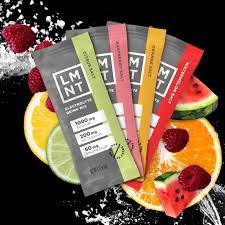
The traditional sport drinks like Gatorade or Powerade, which people use, are mostly focused on sugar and carbs for energy, so he made a solution that focuses on providing sodium, potassium, and magnesium to a body. All these essential minerals help to keep you hydrated, aid nerve function, and help muscle recovery. A single packet of LMNT comes pre-measured and ready to mix with water; there are no sugar, artificial colors, or filters added in it. LMNT is best for athletes and fitness trainers. It also works for people who follow strict diets like keto or paleo or do intermittent fasting.
LMNT’s popularity increased day by day because it offers a simple, effective, and sugar-free or paleo alternative to traditional sports drinks.
The reason why people trust and drink LMNT is brand transparency. The brand provides details about every ingredient they used and the quantity. Here’s what you’ll find in a single LMNT stick:
- Sodium (as sodium chloride) around 1,000 mg in a single packet.
- Potassium (as potassium chloride) around 200 mg in a single packet.
- Magnesium (as magnesium malate) around 60 mg in a single packet.
- Stevia leaf extract in small amounts.
- The mixture also includes natural flavors, citric acid, and malic acid. There are no sugar, gluten, artificial ingredients, or fillers added.
LMNT Ingredients Breakdown (With Science-Backed Benefits)
LMNT is based on three main important electrolytes, like sodium, potassium, and magnesium, so let’s look at them in detail.
1. Sodium’s role in the body
Sodium is one of the most important electrolytes in the body, as it regulates fluid balance, blood pressure, and nerve signals. When a person sweats, he may lose high levels of sodium. Each packet of LMNT contains ~1,000 mg of sodium, which is high as compared to other sports drinks. LMNT is designed for individuals who sweat heavily, follow low-carb diets, or are in intermittent fasting situations where sodium is lost and needed.
According to the experts, the average sodium intake for healthy adults is 1,500 to 2,300 mg, but for athletes it can be more, as they lose more sodium than a normal person.
2. Potassium’s Role in the Body
Potassium also plays an important role in the body, especially in nerve function, muscle contraction, and heart rhythm. The combination of potassium and sodium can help in maintaining balance and hydration.
Each packet of LMNT contains ~200 mg of potassium, which can help in replenishing potassium lost during sweat. According to scientific studies, low potassium can lead to fatigue, weakness, and increased cramping risk.
3. Magnesium Role in the body
Magnesium also plays an important role in the body, as it supports around 300 biochemical reactions in energy production, muscle relaxation, and nerve function. It helps in preventing muscle cramps and recovering after an intense workout. Each packet of LMNT contains ~60 mg of magnesium, especially for restoring magnesium lost through sweat or low dietary intake, like for people who follow strict diets. According to scientific studies, magnesium deficiency is common in athletes and low-carb dieters, so taking LMNT can help you out.
What make LMNT Different from Other Electrolyte Drinks?
So many people have this question in mind: how is LMNT different from other electrolyte drinks? For this, we need to compare it with other drinks, so let’s start.
LMNT vs Liquid IV
The main purpose of both LMNT and Liquid IV is to provide you hydration; however, both brands are built on other different purposes too. Like, if we talk about electrolytes, LMNT is high in sodium, around 1,000 mg. On the other hand, Liquid IV is higher in potassium than LMNT, like around 370–390 mg, but it is very low in magnesium.
If we talk about sugar content, LMNT is completely sugar-free, whereas Liquid IV contains about 11 grams of sugar per serving. If we talk about daily use, Liquid IV is used every day for hydration, light exercise, or general wellness. On the other hand, LMNT is designed to cover up the loss of sodium through sweat in situations like intense workouts, hot weather, or strict low-carb diets.
If we talk about taste, Liquid IV is flavored and easy to sip like a juice. On the other hand, LMNT is high in sodium, so the taste is noticeably salty, which some users find intense.
The winner in both is LMNT, as people who follow strict weight loss diets or cut sugar from their diets go for LMNT.
LMNT vs Gatorade Zero
Gatorade Zero is considered a low-calorie, sugar-free version of traditional Gatorade, but it is different from LMNT if we just talk about electrolytes, as LMNT is high in sodium and potassium, whereas Gatorade Zero contains roughly 230–240 mg of sodium and 70 mg of potassium.
Both drinks are sugar-free; Gatorade Zero is best for people who do light-to-moderate workouts and stay hydrated, whereas LMNT is intended for high-sweat scenarios or when sodium replenishment is necessary.
Gatorade Zero has a mild flavor, but it isn’t salty like LMNT, so some people prefer Gatorade Zero as compared to LMNT because of taste.
So if you’re doing normal workouts and just want a flavored, nonsugary drink, go for Gatorade Zero; however, if you’re doing high-intensity workouts, go for LMNT. It will provide you with all electrolytes, such as heavy sodium, which your body needs.
LMNT vs. Ultima Replenisher
Ultima Replenisher focuses on a balanced mineral approach rather than on sodium. If we talk about electrolytes, Ultima offers magnesium, potassium, calcium, and trace minerals, but it is lower in sodium. On the other hand, LMNT prioritizes high sodium with less potassium and magnesium.
Both drinks are sugar-free and low-calorie in nature. For hydration or normal exercises, you can go for Ultima, but for intense workouts, keto, fasting, or situations with heavy sodium loss, go for LMNT.
The taste of Ultima is a milder, slightly sweet taste, while LMNT is noticeably salty.
So if you want something that is good for hydration on a daily basis, choose Ultima, or if you do high-intensity workouts or follow a strict diet, pick LMNT.
LMNT vs. Redmond Re-Lyte
Redmond Re-Lyte positions itself as a mineral-rich, natural electrolyte option, whereas LMNT mainly focuses on electrolytes. Re-Lyte contains roughly 810 mg sodium, 400 mg potassium, and 50 mg magnesium. It also includes calcium and chloride. LMNT contains sodium (1,000 mg) but less potassium.
Both are sugar-free and nearly calorie-free. Re-Lyte is used by the people who need a balanced mineral spectrum with moderate sodium levels because LMNT is very high in sodium.
The taste of Re-Lyte is less salty in nature as compared to LMNT.
So choose Re-Lyte if you want balanced electrolytes for moderate sweat loss, but if your body needs more sodium, go for LMNT.
LMNT Flavors: Which One Is Best? (Taste & Use-Case Guide)
LMNT is a part of many people’s lives, especially athletes, keto diet followers, and individuals that are looking for an electrolyte drink without sugar. The brand has many flavors, so people get confused and ask about which LMNT flavor is actually the best for their needs. Well, following is the breakdown on each flavor and how you can use it.
Best LMNT Flavor for Workouts
If you’re someone who goes to the gym, runs, or cycles every day, then you may need a flavor that is refreshing, energizing, and easy to drink while sweating. You can go for flavors like citrus salt, orange salt, and lemon salt.
Citrus salt is a classic choice of many people who do workouts; they find it the most “sports drink-like” flavor because it’s not sweet in nature.
Another energizing flavor is orange salt; it is slightly sweeter as compared to citrus salt but still refreshing and best during a normal exercise routine.
If you want something light and crisp, then lemon salt is the best flavor for you.
Best LMNT Flavor for Fasting
During fasting you focused on flavors that keep electrolytes up without breaking the fast instead of flavors. You choose flavors that are light and won’t trigger cravings. For this situation the best flavors that come to mind are Salty Citrus or Citrus Salt because they both are light, tangy, and not sweet in nature. You can also go for orange salt but in moderate amounts.
Most Popular LMNT Flavor Overall
Based on community feedback, online reviews, and social media polls, a few flavors consistently rise to the top:
- Citrus Salt: The undisputed fan favorite for its bright, universally appealing taste.
- Orange Salt: A close second, praised for its smoothness and mild sweetness.
- Raspberry Salt: Surprisingly popular, offering a fruitier twist while still maintaining LMNT’s signature electrolyte punch.
Flavors to Avoid (Based on Consumer Reviews)
Since LMNT flavors are sugar-free and functional, some flavors get negative reviews:
The first one on the list is Watermelon Salt, as many people reported it is very artificial in taste.
The second flavor is chocolate salt; as many individuals report, it is hard to sip it during exercise or fasting.
The last flavor on the list is Raspberry Salt; in some batches people report it is extremely salty.
How to Choose the Right LMNT Flavor for You
- For workouts, choose Citrus, Lemon, or Orange Salt because they are refreshing, easy to sip, and energizing.
- For fasting, choose lighter, tangy flavors like Citrus Salt; avoid too fruity or heavy flavors like raspberry.
- Just to stay hydrated every day, go for Citrus Salt or Raspberry Salt, as they are easy to drink many times a day.
- You can also try Raspberry or other seasonal limited editions if you’re comfortable with stronger flavors.
Why LMNT Electrolyte Drinks Have High Sodium Levels?
When you hear about 1,000 mg of sodium per serving, you may find it is bad for health, as many health professionals recommend less sodium intake. Well, in this case, context matters. When you do an intense workout, you lose electrolytes and water, especially sodium. Athletes can lose up to 1,500 mg of sodium per liter of sweat.
Similarly, people who follow strict diets lose sodium through urine due to low blood sugar levels, so LMNT works best for them. If they don’t take it or any other replacement for the sodium lost, they may face issues like fatigue, headaches, dizziness, muscle cramps, clear brain, and brain fog related to dehydration. The main purpose of LMNT is to provide you sodium and prevent you from those dehydration symptoms. LMNT helps with fatigue, headaches, hydration, and provides energy and stabilizes blood pressure levels, especially during high-intensity workouts and strict diets.
LMNT Benefits: Why This Electrolyte Drink Is Popular
Following are some advantages of why people prefer LMNT:
1. Improved Hydration and Fluid Balance
Staying hydrated isn’t just about drinking a lot of water, but it’s about water retention within your cells. When you do intense workouts or follow strict diets, your body loses sodium, and without enough sodium, your body can’t absorb or hold water, which leads to dehydration even if you drink other sports drinks. When you drink LMNT, which contains a high amount of sodium, it can balance your energy levels and help you to stay hydrated. Many customers report they face fewer headaches, better endurance, and less fatigue after using LMNT for some days.
2. Enhanced Athletic Performance
LMNT is best for athletes, as it provides instant electrolyte balance, which makes them perform better because they lose a high amount of sodium during sports activities. If their sodium levels become low and they don’t take any replacement, it can lead to muscle weakness, cramps, or even dangerous conditions like hyponatremia, which happens when a lack of sodium in the blood occurs. LMNT not only provides enough sodium to their body, but it also strengthens muscle contractions, provides energy during workouts, and helps in muscle repair and recovery.
Many runners, CrossFit athletes, cyclists, and endurance trainers use LMNT as a daily part of their life to stay energetic throughout the day.
3. Reduced Muscle Cramps and Fatigue
Many people who follow strict diets or do intense workouts face issues like muscle cramps, which occur when your body isn’t getting sodium, potassium, or magnesium. LMNT solves this problem also, as it includes sodium and minerals that reduce cramping during workouts and even when you are sleeping after having a strict low-calorie diet. Many people report the cramp gets less after having LMNT.
4. Supports Keto, Paleo, and Low-Carb Diets
When you follow a strict diet by cutting carbs, your body produces less insulin. Although it helps in weight loss, it is bad for kidney health, which leads to feeling tired, dizzy, or lightheaded. LMNT is high in sodium and other electrolytes; both of them minimize the effects. LMNT works best for people who follow a keto diet to provide them energy, focus, and enough electrolytes without breaking the diet.
5. Sugar-Free and Clean Ingredients
Other sports drinks are full of sugar and artificial flavors, but LMNT has zero sugar and zero use of artificial color; it uses natural flavor and stevia that are gluten-free, vegan, non-GMO, zero-calorie, and free from artificial dyes or preservatives. LMNT is best for the people who are curious about the ingredients a drink has, as the brand hides nothing.
6. Cognitive and Energy Benefits
People always consider electrolytes just good for muscles, but they also help your brain. Yes, you hear it right: the sodium and potassium are important for nerve signaling and energy transmission. If your body gets proper electrolytes, it can improve mental clarity, focus, and mood stability. This is the reason why people use LMNT in daily life.
LMNT Drawbacks You Should Know Before Trying
Like other supplements, LMNT is not for everyone, so here are some things you have to keep in mind:
1. High in Sodium Content
The most highlighted ingredient in LMNT is sodium; it can be powerful but also risky for some people who have issues like high blood pressure, heart disease, and kidney problems, as 1000 mg of sodium in a single packet can be too much for a normal person who isn’t doing any intense activity or following a very strict diet. The high intake of sodium can lead to bloating, spike blood sugar levels, and increase kidney problems, so if you are someone who is allergic to sodium or has certain health issues, then LMNT is not for you. If you want to try it, please consult your doctor first.
Also Read: Recommended Sodium Intake by Age: How Much Salt Is Too Much?
2. Not good for Inactive Individuals
As we discussed earlier, this drink especially targets athletes and fitness freaks; it’s not for a normal person because a normal person does light exercise and desk work. The body didn’t lose enough electrolytes in these small activities, so you don’t need LMNT.
Mostly people who follow a normal diet and do small exercises drink a good amount of water and eat healthy as well as a balanced diet to stay fit, hydrated, and energetic.
3. Strong and Salty Taste
Many people prefer LMNT because of its amazing flavor; however, some people find it a bit salty and mild, as they were expecting it to be as sweet as Gatorade. To reduce the mild effect and salty taste, you can add more water to a mixture and also use lemon juice to make it according to your taste.
4. Low in Potassium and Magnesium
Since LMNT drink is high in sodium, which makes it the best to choose, but it provides limited amounts of magnesium and potassium, so if you are someone who already has low magnesium and potassium in your body, then LMNT isn’t for you. All you need is to add food items in your diet that provide these nutrients naturally, like avocado, nuts, or leafy green vegetables.
5. High Cost
Another drawback of LMNT is that they are expensive as compared to other sports drinks, as a 30-stick pack of LMNT costs around $45–$50, which a normal person with a tight budget can’t afford on a daily basis. You can, however, make something similar at home by combining sea salt, potassium chloride, and magnesium citrate.
Who Benefits Most from LMNT Electrolyte Drinks?
As we discussed earlier, LMNT isn’t designed for everyone because it is especially created for people who lose unlimited electrolytes, especially sodium, during heavy workouts by sweating or diet. Each packet of LMNT contains 1,000 mg of sodium, plus potassium and magnesium; this is the reason why it is recommended to specific individuals whose bodies actually need that level of replenishment. Following are the individuals for whom LMNT is made.
1. Endurance Athletes (Runners, Cyclists, Triathletes)
Intense training can lead to significant sodium loss around 800 to 2,000 mg of sodium in an hour based on how much a person sweats and the climate. Using LMNT can help individuals like runners, cyclists, and triathletes maintain hydration; it prevents muscle cramps and helps sustain performance in long sessions. LMNT also reduces fatigue in hot or humid conditions. The best time to use LMNT is before and during long runs, rides, or endurance events.
2. High-Intensity Trainers & Heavy Lifters
People who do high-intensity workouts and heavy lifting, such as CrossFit, HIIT, or heavy gym sessions, sweat more and lose electrolytes faster. Lmnt helps those individuals by supporting muscle contraction. Recovering sodium in the body that was lost through sweat. Lmnt also helps in muscle recovery. The best time to take it is during or after intense training.
3. People on Keto, Low-Carb, or Carnivore Diets
People who follow strict diets like keto and low carb. These diets lower insulin levels, causing kidneys to excrete more sodium, which leads to “keto flu” symptoms like fatigue, headaches, and dizziness. LMNT helps in restoring the sodium, potassium, and magnesium lost during a diet. The best time to take LMNT is during the adaptation phase; adjust based on symptoms.
4. People Who Fast (Intermittent or Extended Fasts)
Intermittent fasting lowers insulin and increases fluid loss, which flushes out electrolytes. LMNT is best during fasting, as it doesn’t break the fast, saves you from dizziness or weakness, and provides you hydration without any calorie intake. The best time to take LMNT is during longer fasts (18–72 hours) or OMAD.
5. People Who Live in Hot or Humid Climates
People who work in hot and humid climates interact with excessive heat, which leads to sweating, resulting in sodium loss. LMNT may help in recovering the sodium lost in sweat. It prevents heat exhaustion and reduces the risk of dehydration. LMNT is especially good for people like outdoor workers, athletes training in summer, and people in tropical regions.
6. People Who Naturally Sweat a Lot (Heavy or “Salty” Sweaters)
Some people lose more sodium per liter of sweat than others, like when they sweat in clothes, in workouts, or in light exercises. LMNT provides you quick and high sodium replacement.
7. People Prone to Muscle Cramps or Electrolyte Imbalance
If you face leg cramps, foot cramps, and post-workout tightness, the reason can be low electrolytes. LMNT can help in balancing muscle and nerve functions.
8. Individuals on Low-Sodium or Low-Appetite Diets (Who Still Need Electrolytes)
Some people consume less sodium on a daily basis unintentionally, like athletes who eat “clean” and follow very low-sodium diets. People who cut off calorie intake. People recovering from illness and those who lose appetite. LMNT can help with all the issues.
9. People Who Drink a Lot of Water (“Overhydrators”)
People who drink a lot of water can dilute electrolytes, leading to headaches, fatigue, and a “Sloshy stomach” feeling. LMNT can help with all these issues.
LMNT for Special Situations
LMNT is a good choice for many people on a daily basis, as it helps in workouts and hydration. Here’s how LMNT fits into several specific scenarios and when to be cautious.
1. LMNT for Hangovers
A hangover takes place due to dehydration, electrolyte imbalance, and low blood pressure when you consume alcohol. In this situation LMNT can be used, as it will help in refilling the sodium and minerals lost during drinking. The high amount of sodium in the LMNT will help you retain water from urination, whereas the magnesium and potassium help in providing energy and reducing muscle weakness. LMNT reduces dizziness and fatigue. It will help to manage hangovers.
2. LMNT for Flu Recovery
During a flu, the body experiences different issues like sweating, fever, vomiting, or reduced appetite; all these lead to loss of electrolytes. In this situation, LMNT can be helpful because it will replace the lost sodium and potassium quickly and help in hydration when your fluid needs increase. LMNT also helps in reducing weakness, which is very common in the flu.
But please note if the symptoms are severe and your body loses a high amount of water, then go for a medical-grade oral rehydration solution (with glucose and sodium balance) because LMNT might be supportive but is not a medical treatment replacement.
3. LMNT for Pregnancy (Safety First)
When you’re pregnant, you experience morning sickness, low energy, or dehydration from a common pregnancy problem known as nausea.
Using LMNT can be helpful; however, it contains a high amount of sodium, which isn’t suitable for everyone in pregnancy. The use of LMNT in pregnancy can help in hydration during morning sickness, support electrolyte balance if vomiting is frequent, and reduce light-headedness caused by low fluid intake.
In pregnancy women must not increase sodium intake without doctor guidance since LMNT contains 1,000 mg sodium per packet, which may exceed the recommended amount for a woman who is already facing swelling, high blood pressure issues, and preeclampsia risk. So in the end, I would say LMNT is only safe to use in pregnancy if approved by a healthcare professional.
4. LMNT for Breastfeeding Mothers
In breastfeeding the daily needs of fluid get increased, and many mothers face dehydration because of producing milk. The milk naturally pulls water from the body. LMNT can help in replenishing the lost mineral by supporting hydration, especially in hot days or during low-calorie periods.
But the sodium level of LMNT is high, and if you’re salt-sensitive or experiencing postpartum swelling, then use of a high-sodium drink will make it worse, so it is best to ask the doctor before drinking it in such situations.
5. LMNT for Migraines
Migraine is linked to dehydration, electrolyte imbalance, or drops in sodium levels, especially when a person sweats a lot and follows a strict diet like a ketogenic or low-carb diet. LMNT can be helpful for people who experience migraines, as, due to the high amount of sodium, it can help people during the early stages of a headache.
It also helps in improving hydration, which is a known migraine trigger. The magnesium in the LMNT can help to reduce muscle tension and prevent certain migraine patterns. Don’t consider LMNT as a treatment for migraine; if the headaches are frequent or severe, then go for medical help.
Signs You’re Taking Too Much LMNT
LMNT is a great tool when it comes to hydration and electrolyte balance, as it contains high amounts of sodium, potassium, and magnesium; however, too much use of minerals can lead to unwanted side effects. Some of them are as follows.
LMNT contains 1,000 mg of sodium per serving, which is higher for a normal person who didn’t sweat that much. If you take excessive sodium in your body, it can lead to swelling in hands, feet, or face; temporary weight gain due to water retention; and a “puffy” feeling around the stomach or limbs.
High sodium intake can also lead to high blood pressure in some people, so if you use LMNT regularly without doing any physical activity, then it can lead to headaches, dizziness, lightheadedness, and a rise in blood pressure readings.
LMNT also contains magnesium and potassium, and overconsumption of these electrolytes can lead to digestive problems like stomach cramps, nausea, diarrhea, and general discomfort.
Extremely high electrolyte levels, especially potassium, can affect muscle and nerve function. Signs that you may have consumed too much include muscle cramps, weakness, heart palpitations, and fatigue, so it is important to consume LMNT at the recommended amount.
Consuming too much sodium can increase thirst because your body needs more water to balance the excess electrolytes. If you feel thirsty even after drinking plenty of fluids, it may be a sign you’re overdoing LMNT.
Tips to Avoid Overconsumption
- As a typical individual, aim to limit your intake to 1 or 2 packets per day.
- Also notice the amount of sodium you are taking from food, as LMNT is already high in it.
- Try to adjust LMNT intake to just 1 packet in a day when the weather is cold.
- Always drink plenty of water alongside LMNT.
- If you already have existing issues like high blood pressure, kidney issues, or heart conditions, consult your doctor first.
LMNT vs Homemade Electrolyte Drink (Cost, Nutrients & Taste)
If we talk about hydration, both LMNT and homemade electrolytes are popular choices among people; however, they are different when it comes to cost, nutrient profile, and flavor. LMNT is a premium, easy-to-make powder best for people who lost high amounts of sodium, like athletes and low-carb dieters.
A single packet of LMNT contains 1,000 mg sodium, 200 mg potassium, and 60 mg magnesium, with zero sugar and no calories. However, the pricing isn’t budget-friendly for many people, as a box of LMNT costs around $45, and there are 30 packets inside the box, which means a single packet costs you $1.50 or more. On the other hand, homemade has the same benefits with low cost because it is based on simple ingredients like Himalayan salt, potassium chloride (or cream of tartar), magnesium powder, lemon juice, and water, which are easily available in every kitchen and low in cost.
A homemade electrolyte drink can be made at $0.10–$0.40 per serving. You will have control over adding salt because LMNT is high in it, so if you just want a drink for hydration at home, you can reduce salt. It is the biggest advantage of homemade electrolytes. LMNT is known for its flavors like Citrus Salt, Raspberry, Watermelon, etc. All of these are carefully formulated to balance the strong salty base. Homemade drinks taste natural but raw unless you use artificial colors and flavors.
For people who enjoy colors and taste, LMNT is a good choice for them, but if you prefer a natural flavor profile, homemade drinks can be refreshing, especially with lemon or a pinch of natural sweetener.
What are the Alternatives to LMNT?
Due to its price and high sodium content, people go for alternatives. Here are some alternatives to LMNT as follows:
- Nuun Sport: has less sodium as compared to LMNT. It also includes vitamins and minerals.
- Ultima Replenisher: completely vegan and sugar-free. It is best for the people who do normal exercises.
- Liquid I.V. Hydration Multiplier: has a lesser amount of sugar and also includes vitamins C and B.
- Hydro MATE: has a balanced formula, low in sodium, best for everyday.
Is LMNT Good for Weight Loss?
LMNT is recommended and used by many people who do intermittent fasting or follow strict diets like ketogenic and low-carb diets, but it is also important to understand what LMNT can do or not. LMNT is marked as an electrolyte drink, but it isn’t a fat-burning supplement; however, it can indirectly support weight loss by providing you hydration, energy, and fasting comfort, but the high amount of sodium in it can sometimes work against your goals in certain situations. Here’s how it fits into a weight-loss plan:
1. Electrolytes & Appetite Control
If you’re someone who cuts off calories completely from the diet or follows a low-carb diet, then naturally your body may lose more electrolytes like sodium. This loss can lead to headaches, low energy, and intense cravings symptoms that people usually mistake for hunger. Adding LMNT to your daily routine will help to refill the lost electrolytes, as it will reduce dehydration, cravings triggered by low sodium, and fatigue that makes you snack more. We can’t say LMNT truly suppresses appetite, but it helps you to stay hydrated and balanced, which is important during a weight loss journey.
2. Fasting Performance
LMNT is especially popular among people who practice intermittent fasting, extended fasting, or keto. The main reason is it is free from sugar, zero in calories, and full of high electrolytes. When you fast, the insulin levels drop, your body loses water, and important electrolytes like sodium, potassium, and magnesium also drop. Many people face dizziness, weakness, or muscle cramps during fasts. Drinking LMNT during a fast can help in refilling all the electrolytes you lost; it also keeps you alert, hydrated, and energetic without breaking the fast.
3. Water Retention & Sodium Balance
The biggest advantage and drawback of LMNT is its 1,000 mg sodium per packet. If you’re someone who sweats a lot, works in high temperatures, or does intense workouts, then high-sodium drinks work for you, as they provide you energy and hydration, which are indirectly related to weight loss. If you’re not very active, don’t sweat much, or already eat plenty of salt, then LMNT isn’t for you, as it can lead to puffiness, mild bloating, and temporary weight gain from water retention.
In the end I would say LMNT can support weight loss indirectly by keeping you hydrated in any condition, balancing electrolytes, and providing energy for workouts.
Scientific Research on Electrolytes and Sodium Explained
According to research published in the Journal of the International Society of Sports Nutrition, the replacement of electrolytes is important for performance and recovery during intense training or heat exposure.
A 2019 review in Frontiers in Physiology found that excessive intake of sodium can lead to hyponatremia (low sodium) and enhance endurance capacity.
According to systematic review and meta‑analyses (BMJ, 2013): Reducing sodium intake significantly reduces blood pressure.
According to a study in 2024, the role of electrolytes in exercise shows relevance for people losing electrolytes due to sweating and training.
According to Exercise‑Associated Muscle Cramps (2005), electrolyte carbohydrate beverages delayed muscle cramp onset vs. no fluid during exercise in heat, providing some support for electrolytes during heavy sweating.
According to a 2020 study, high sodium intake increases blood pressure and cardiovascular risk.
Usage Tips and Guidelines for Optimal Results
When you use something properly, it can maximize benefits and minimize risk, so here is my tip on using LMNT.
The first thing you need to do is take one stick pack and mix it well with 500 to 950 ml, then taste it. You can manage the taste by adding water according to your preference. Drink it cold or at room temperature; it’s your choice.
Now the real question everyone has in mind is when to drink LMNT? The best time to drink this drink is before workouts, during workouts, after workouts, during fasting, or even on hot days or during sauna sessions. Remember moderation is the key; you can use 1 or 2 packets in a day if you are not following any diet or doing any intense workout. If you are an athlete, 2 to 3 packets in a day is enough for you.
For keto/fasting users, a single packet in a day is enough. Additionally, avoid using LMNT if you are already following a moderate sodium diet.
When Is the Best Time to Take LMNT?
Since LMNT is high in sodium, as it contains 1,000 mg of sodium per packet, the best time to take it varies from person to person, as it depends on when you are losing electrolytes, like from sweat, exercise, fasting, or daily routine. Here are the best times to use LMNT based on your lifestyle.
1. Before a Workout (Prime Hydration & Performance)
If you take LMNT before training, like around 30 to 60 minutes, it can help to level up the electrolytes, especially when you do training in hot temperatures, sweat heavily, or do long or intense workout sessions.
2. During a Workout (Prevent Cramps & Maintain Hydration)
Take LMNT during workout sessions, especially when you are doing intense cardio for 60 minutes, outdoor training in heat/humidity, high-sweat workouts, or other sports activities like cycling, running, or hiking. LMNT helps you in staying hydrated during all these workouts. It also minimizes the risk of muscle cramps and helps in keeping electrolytes during heavy sweat loss.
3. After a Workout (Rehydration & Recovery)
If you take LMNT after an intense workout or training, it can help in replacing what you lost especially when you feel lightheaded,lost, fatigued, crampy, and very thirsty after a workout.
4. During Fasting (Does NOT Break a Fast)
Since LMNT is zero in calories, helps in preventing dizziness, headaches, and fatigue, and can provide you hydration during fasting, it is popular in fasting among many people. The best time to take LMNT is in the morning at the start of a fast, in the middle of a fast, or during multi-day fasts.
5. First Thing in the Morning (Electrolyte Reboot)
Most people face dehydration when they wake up early in the morning because the body loses water and electrolytes in sleeping. Taking LMNT in the morning after breakfast can help in providing a boost of energy, reduce headaches, and provide faster hydration than water. It supports brain function and concentration.
Customer Reviews: What Real Users Say
People report both positive and negative feedback about LMNT so of them are as follow:
Positive Reviews
- “I stopped getting leg cramps during my marathon training.”
- “Finally, an electrolyte drink that isn’t full of sugar.”
- “My energy levels are better, and I don’t crash mid-day anymore.”
- “Perfect for fasting keeps me alert without breaking fast.”
Mixed or Negative Reviews
- “The taste was too salty at first; I had to dilute it a lot.”
- “I wish it had more magnesium.”
- “It’s pricey for daily use, but worth it when training hard.
Everything You Need to Know About LMNT – FAQs
Can I take LMNT every day?
Yes, you can take LMNT daily; around 1 to 2 packets is generally safe for adults based on sodium intake and activity.
Is LMNT good for fasting?
Yes, many people take LMNT during a fast, as it doesn’t break the fast and maintains electrolytes and energy during it.
Does LMNT break a fast?
No, it isn’t because there are no calories and sugar added in the LMNT ingredients.
Is LMNT OK for kids?
No, it’s not recommended for kids; however, if you still want to give a drink to kids, go for low-sodium alternatives.
Can LMNT spike blood pressure?
Yes, it will definitely spike blood sugar levels, especially in salt-sensitive individuals or those with hypertension.
How many LMNT packets per day is safe?
You can take 1 to 2 packets in a day; if you take more in a day, it will lead to side effects.
Is LMNT bad for you?
No, it isn’t bad for you if taken in moderation; however, overuse can cause bloating, water retention, or high sodium intake.
What makes LMNT different from other electrolyte drinks?
LMNT is high in sodium content; each serving contains 1,000 mg of sodium. LMNT is zero in sugar as compared to other sugary sports drinks. It is designed for athletes as LMNT delivers a much higher sodium content for low-carb dieters.
Is LMNT safe for daily use?
Yes, it is safe for people who stay active or follow a low-carb diet with normal blood pressure, but remember moderation is the key; you can use 1 packet a day.
Can LMNT improve workout performance and recovery?
Yes, as it is designed for people who do intensity training, LMNT helps maintain fluid balance, reduce cramps, and support faster recovery.
Who should avoid LMNT?
People who have health issues like high blood pressure, kidney problems, and heart disease need to avoid it, as LMNT is high in sodium content, so even if you still want to use it, consult your doctor first.
Does LMNT have caffeine?
No, the LMNT ingredient list doesn’t include caffeine, as it is an electrolyte drink.
What flavors does LMNT come in?
The most popular flavors of LMNT include Citrus Salt, Watermelon Salt, Raspberry Salt, Mango Chili, and Chocolate Salt.
Conclusion: Is LMNT Good for You?
In conclusion, is LMNT good for you? Well, the answer may vary from person to person because it contains a high amount of sodium, which isn’t suitable for everyone. If you are someone who does intense workouts or follows a restricted low-carb diet, then LMNT is good for you, as it will provide you hydration, recovery, and energy. People prefer this drink because it is low in sugar and has a good amount of sodium; however, if you are a normal person who does less activity or follows a casual diet, then it’s not for you. Additionally, if you have certain health conditions like high blood pressure, kidney problems, or heart disease, then LMNT isn’t suitable for you.
Medical Disclaimer
This article is just for informational purposes only and should not be considered medical advice. Always consult with a healthcare professional before making any changes to your diet, exercise routine, or healthcare plan.